Knowledge of the way of testing tuberculosis and the available tuberculosis screening methods can enable individuals to take appropriate action. The tests are significant in both detecting an infection and in informing active TB diagnosis or the identification of a latent TB test outcome.
What Is a Tuberculosis Test?
A TB test is a health check-up that is conducted to identify the presence of TB infection in the body. It will not necessarily determine active disease but may indicate whether an individual has been in contact with TB bacteria.
Various TB diagnosis tests are available to detect either latent infection (inactive TB) or active disease. The tests are common in hospitals and clinics as a routine health check and risk assessment.
Types of Tuberculosis Tests
Several tuberculosis screening methods are applied depending on the situation and patient needs.
TB Skin Test (Mantoux Test)
This is among the most prevalent tests. Minimal fluid is placed under the skin of the forearm. The response is tested after 48-72 hours.
- Used for initial screening
- Outcomes are determined by size of swelling.
- Helps are interpreters of TB skin tests.
Blood Tests (IGRA)
The response of the immune system to TB bacteria is measured by blood tests.
- More accurate in some cases
- Requires a single visit
- Common latent TB test method
Chest X-ray
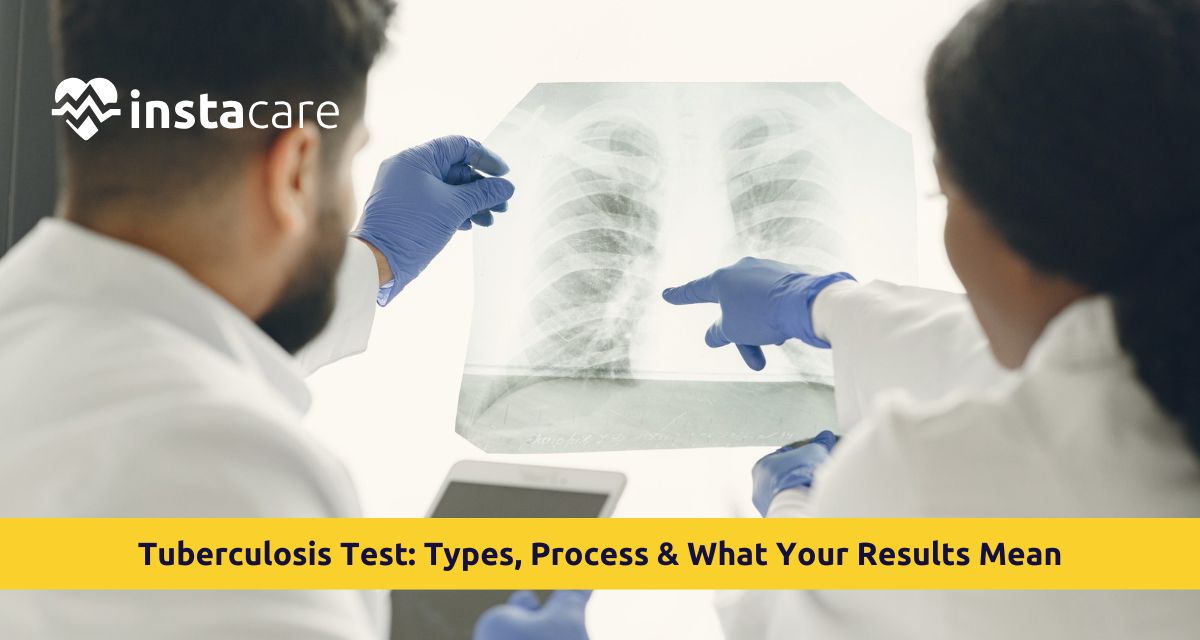
Chest X-ray for TB are used to identify an active infection in the lungs.
- Indicated in cases of possible TB infection.
- Active TB is diagnosed by helps.
Sputum Test
This is a test used to test lung mucus to identify TB bacteria.
- Confirms active TB
- Applied in proper diagnostic tests of TB.
Who Should Get Tested?
Individuals at increased risk of infection should be tested on TB.
When to get a TB test:
- Contact with a TB patient.
- Display signs such as chronic cough or fever.
- Work in healthcare settings
- Immunodeficient condition.
- Reside or commute in place of high prevalence of TB.
Early detection and prevention should be screened regularly.
How to Prepare for a TB Test?
No or minimal special preparation is needed to do most TB tests. There are however (some general) rules such as:
- Let your doctor know about any TB testing previously done.
- Medical history and medications Share your medical history and medications
- In the case of skin tests, follow up with a re-read in 48-72 hours.
- Take blood or sputum tests as directed.
TP The correct results in TB diagnosis tests are obtained by proper preparation.
Understanding Test Results
Results interpretation will vary depending on the kind of test being used.
TB Skin Test Results
The TB skin test results depend on the swelling size on the injection site. A more intense response can be a sign of TB exposure.
Negative Result
No infection is often a negative outcome, but additional testing might be required in cases of high risk.
Positive Result
The positive result indicates the presence of TB infection but does not determine the presence of active or latent infection. Other tests such as a chest X-ray to determine TB are possible.
The interpretation of results is important in deciding further course of treatment or monitoring.
View More: Cough Variant Asthma: Causes, Symptoms, and Treatment
What Happens After a Positive Test?
A positive test should be followed up by the test to either rule out or confirm an active or latent TB.
Additional Testing
Doctors may recommend:
- Chest imaging
- Sputum analysis
- Additional blood tests
Treatment Options
- Preventive medication may be needed to control the latent TB.
- Active TB takes a complete cycle of antibiotics.
This can be treated early, preventing complications and limiting the transmission of the infection.
Risks and Limitations
Although TB tests are not very dangerous, they do have limitations.
- False negativity or positivity is possible.
- Follow-up visits are needed on skin tests.
- TB test cost is expensive due to the possibility of blood tests.
- Certain tests are not able to tell the difference between active and latent TB.
These limitations notwithstanding, TB testing is necessary to ensure early detection.
Prevention Tips
The management of TB includes exposure prevention and good health. Helpful tips include:
- Keep off infected persons.
- Maintain good hygiene
- Make sure that living areas are well ventilated.
- Get frequent screenings when at risk.
- See medical advice on diagnosis.
These measures complement effective preventive measures as well as the tuberculosis screening techniques.
Conclusion
TB testing is an important procedure that can help in the detection and treatment of TB. Education on How to test for tuberculosis and diagnose and interpret TB skin test results and proper use of TB diagnosis tests can contribute to early treatment. By being aware of the evidence, conducting timely tests, and taking prevention measures, people can minimize the chance of infection and help increase the overall health of the population.
Please book an appointment with the best Pulmonologist in Lahore, Karachi, Islamabad, and all major cities of Pakistan through InstaCare, or call our helpline at 03171777509 to find a verified doctor for your disease.