What is a Turmeric Face Mask?
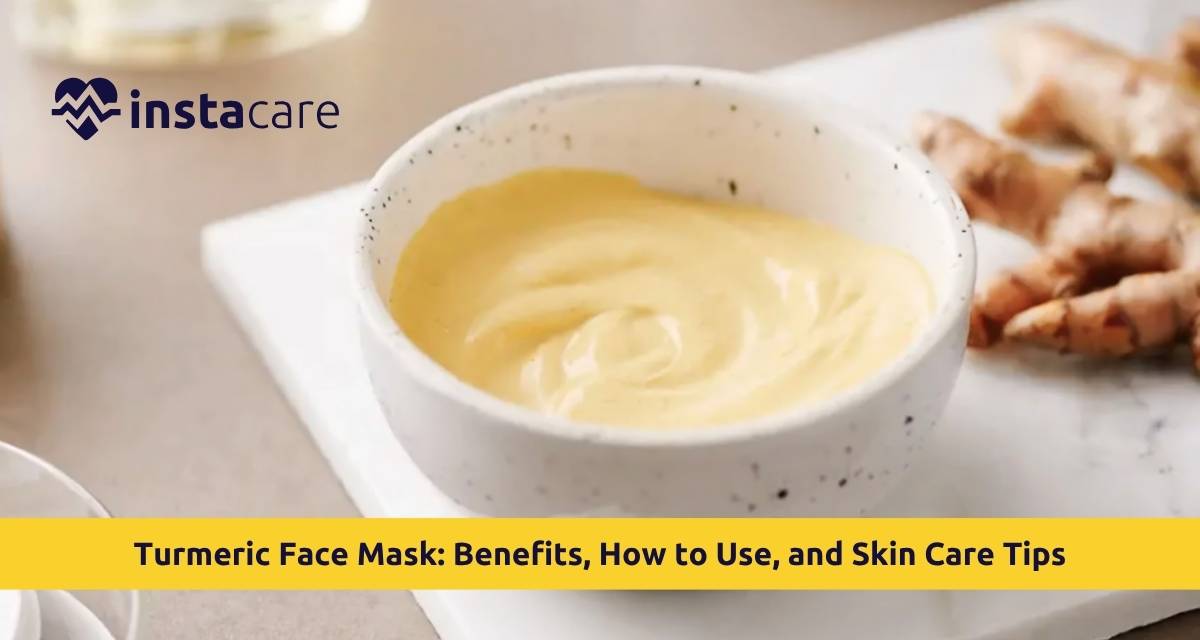
The paste of turmeric powder, combined with other natural ingredients like milk, yogurt or honey, or aloe vera is a turmeric face mask. You leave this paste on your face for a period of 10-20 minutes, and then wash it off. The active compound in turmeric, curcumin is the reason for a majority of its therapeutic and cosmetic effects, such as reducing the inflammation as well as the bacteria, and healing the skin.
Benefits of Turmeric Face Masks
Reduces Acne and Blemishes
Turmeric masks are known for their efficiency toward acne the most. The spice targets the bacteria of acne with its anti-bacterial and anti-microbial compounds. The inflammation and swelling of the reddish pimples is reduced by turmeric’s natural ability to soothe. The scars on the face are healed by the constant use of turmeric face masks, and new breakouts are prevented as well.
Brightens Skin
Turmeric is a natural skin brightener. It can help improve your skin tone. Curcumin, a chemical compound in turmeric, slows the skin's production of melanin, thus helping with hyperpigmentation and dark spots. It can help brighten your skin and reduce dullness. Consistent use of a turmeric face mask can help achieve an even skin tone.
Soothing Anti-inflammatory
A common culprit for many skin issues is inflammation. Redness, irritation, and even acne can all be caused by inflammation. Due to its anti-inflammatory properties, turmeric can calm and soothe even the most sensitive skin. Ants' inflammatory properties can be enhanced when turmeric is combined with aloe vera, coconut oil, and/or yogurt.
Antioxidant Defense System
Environmental stressors such as pollutants in the air or UV rays from the sun can cause free radicals, which damage skin cells and accelerate the aging process. Turmeric has antioxidants that neutralize free radicals and help the skin combat premature aging and even fine lines and wrinkles. The addition of turmeric to your skin care routine can help longevity and the health of the skin.
Oil Control
Turmeric masks can help oily skin by balancing the production of sebum. Combined with gram flour (or besan), it can help balance excess oil and help with skin hydration. It is beneficial for combination skin and skin that is predominantly oily.
How to Make a Turmeric Face Mask?
Depending on the desired outcome and the skin type, there are many recipes for turmeric masks. Here are some of the more popular ones.
Step 1:
- Yoghurt and Turmeric Face Mask for Skin Brightness
- You can make turmeric masks in so many other ways depending on your skin type and desired effects. Here are a few ways:
Ingredients:
- One teaspoon turmeric powder
- Two tablespoons of plain yogurt
- Let’s prepare the mask now!
Preparation Steps:
- Combine turmeric and yogurt to form a thick paste. Then gently apply it to your skin evenly and in a generous amount.
- Leave it on for about a quarter of an hour.
- Remove using water at a mild temperature.
This mask is good for brightening skin, reducing pigmentation, and provides a mild exfoliation.
Book Beta hCG Test at Alnoor Diagnostic Centre – Get 15% OFF
Turmeric and Honey Mask (For Acne and Moisturization)
Ingredients:
- 1 tsp turmeric powder
- 1 tbsp honey
Instructions:
- Combine turmeric and honey completely.
- Apply to areas on the skin where you have a problem, or you can put it all over the face.
- Let it sit on the skin for a quarter of an hour.
- Remove using water at a mild temperature.
Honey helps with the moisture of the skin and combined with the antibacterial effects of honey, is a good mask for skin which is both dry and acne-prone also.
Turmeric and Milk Mask (For Anti-Aging)
Ingredients:
- 1 tsp turmeric powder
- 2 tbsp milk
Instructions:
- Combine milk and turmeric to make a paste.
- Spread the paste over the face evenly.
- Let it sit for a period of 10 to 15 minutes.
- Rinse the face using lukewarm water.
Milk is a good exfoliant and helps improve the skin and texture. It combined with turmeric provides a good skin protection against free radicals.
Tips for Using Turmeric Face Masks
- Use a Patch Test. First apply a small amount to your inner wrist or behind the ear to check for allergic reactions or skin irritations.
- Avoid staining. Turmeric can temporarily stain skin or cloth. Wearing an old shirt before applying and then rinsing with a gentle cleanser or milk can help to remove the yellow residue.
- Turmeric masks should be repeated 2-3 times a week. Overuse may cause mild irritation or dryness.
- Avoid scrubbing harshly and be sure to apply evenly. A gentle reminder to apply in a circular motion is necessary if you're prone to breakouts. Be sure to moisturize.
Precautions and Considerations
While using turmeric masks is very beneficial for the skin, it is important to take the proper precautions:
- Irritation or skin sensitivity. In such instances, you may want to apply less, or not as frequently.
- Sometimes, turmeric can cause skin to temporarily stain yellow. This typically goes away after a few washes.
- Be careful because combining turmeric masks with other chemical treatments can be very irritating to the skin.
- Turmeric is believed to be safe for use on the skin by pregnant or breastfeeding women, although it is always recommended to consult a physician before applying.
Conclusion
Turmeric masks can be very beneficial for the skin. Not only are they easy to make, they also have lots of beneficial properties like reducing inflammation, and bacteria, and rejuvenating the skin. They can also be used for oily skin, and countless other skin problems. When carefully combined with the other ingredients, turmeric can be an effective mask for all skin types. With patience, you can have bright, healthy, and rejuvenated skin.
Please book an appointment with the best Dermatologist in Lahore, Karachi, Islamabad, and all major cities of Pakistan through InstaCare, or call our helpline at 03171777509 to find a verified doctor for your disease.