Why is Diet Important in Typhoid?
Typhoid also causes an increase in the energy demands of the body through infection with a concomitant weakening in digestion. This necessitates the need to eat not only healthy foods but also easily digestible ones as well. The right diet contributes towards healing in the following ways. It serves to maintain energy levels, avoid dehydration as well as giving the digestive system a chance to rest without the burden of added stress.
Key Benefits of a Typhoid Diet
- Introduces the key nutrients to get well
- Supports immune function
- Prevents dehydration
- Lessons stress the digestive system
Foods to Eat During Typhoid
Easily Digestible Foods
The digestive system is sensitive when typhoid hits and hence soft and light foods are advisable. These are stomach-friendly foods, which do not irritate the stomach as they (the food) sustain energy. Boiled rice, khichdi, oatmeal and mashed potatoes are common. Small portions of soft breads and plain crackers may also be added.
High-Carbohydrate Foods
Carbohydrates form the predominant source of energy particularly during periods in which the body is weak and tired. The combination of simple carbohydrates will enable the body to receive immediate post-exercise energy.
Examples of Foods High in Carbohydrates
- Rice and rice based foods.
- Potatoes: boiled or mashed.
- Soft noodles and pasta.
- Bananas
These are easy-to-digest foods for typhoid, as well as, they ensure one remains strong in case of illness.
Protein-Rich Foods
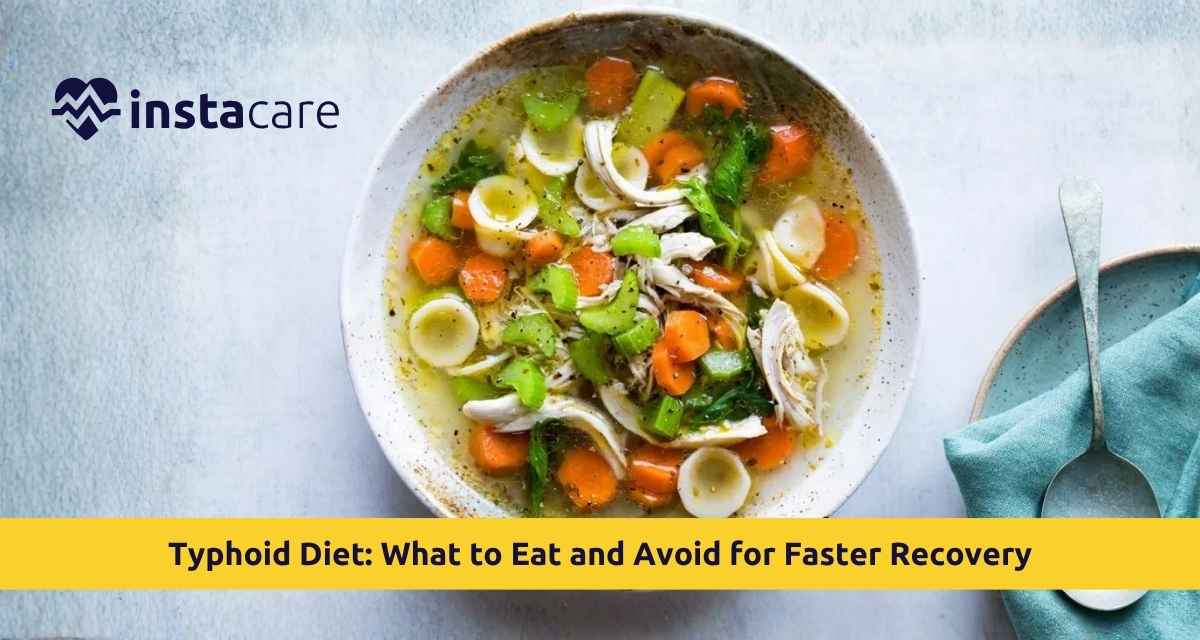
Protein is very helpful in mending tissues, and reconstituting the body. Nevertheless, light and easy to digest sources of proteins are needed. Food items like boiled eggs, well cooked lentils, yogurt (when tolerated) and chicken soup are good. They should be added slowly to prevent an acidic digestive system.
Fruits and Vegetables
Vegetables and fruits contain vitamins and minerals that can boost the immune system. They are however to be eaten in cooked or soft state during sickness.
- Recommended Options
- Bananas
- Apples (cooked or boiled)
- Papaya
- Sweet potato and carrots cooked
Initially, raw vegetables should be avoided because they will irritate the digestive system.
Fluids and Hydration
One of the most important things in a typhoid diet is hydration. Dehydration can be brought about by fever and infection, and thus fluid intake is necessary. Consumption of ample amounts of fluids ensures electrolyte balance, elimination of poisonous substances, and general healing.
Book Stool for Occult Blood Test at Human Care Lab – Get 25% OFF Now
Best Fluid Choices
- Confined water that is either boiled or purified
- Coconut water
- Diluted fresh fruit juices
- Oral rehydration solution (ORDS)
- Transparent soups and broths
Foods to Avoid During Typhoid
The foods to avoid in typhoid are as follows:
High-Fiber Foods
Fiber is considered to be healthy but may be hard to digest in times of typhoid and the intestines may also be irritated. Raw vegetables, whole grains, and nuts should also not be consumed until the recovery process is better.
Spicy and Oily Foods
Fried and hot foods may exacerbate digestive discomfort and make healing slow. These foods can cause irritation of the stomach lining, and amplify symptoms such as bloating or pain.
Foods to Limit
- Fast food and fried foods.
- Hot curries and sauces.
- Heavy, oily meals
Dairy Products (Intolerated)
During typhoid some people might have a problem with digesting dairy. Milk, cheese and cream products may bring about discomfort or bloating. Nevertheless, yogurt can be taken in portions provided that it is fitting in the body.
Caffeinated and Carbonated Drinks
Fizzy beverages and caffeine may cause dehydration, and stomach discomfort. Ideally, it is recommended to stay off drinks such as coffee, soft drinks and energy drinks during recovery.
Sample Typhoid Diet Plan
Daily Meal Structure
A well-balanced and easy dietary typhoid meal plan will aid in keeping the nutrition but not overwhelming the digestive system.
- Morning: warm water or herbal tea and soft porridge or boiled egg.
- Mid-Morning: Banana or apple puree, coconut water.
- Lunch: Khichdi or boiled rice with lentil soup and boiled vegetables.
- Evening Snack: Toast or crackers with watery fresh juice.
- Dinner: Light soup made out of soft rice or mashed potatoes.
Such a diet plan assures regular energy and comfort of digestion throughout the day.
Tips for Eating During Typhoid Recovery
Practical Dietary Tips
Eating in a proper way is an important thing as well as eating the right foods. Even minor changes will result in a significant difference in recovery.
- Have smaller meals more often rather than big meals.
- Stay off heavy, greasy or processed foods.
- Observe good hygiene in preparing food.
- Take ample liquids during the day.
- Get proper rest to promote digestion and healing.
When to Return to a Normal Diet?
Patients may gradually resume a normal diet as their improvement in symptoms and their desire to eat normal is found. The reintroduction of solid foods should be slow and we need to watch the progress of the body. Even after recovery it is advisable to avoid taking hot or heavy food too fast because the digestive system is still hot and sensitive. Gradual methodology will make sure that normal eating patterns are gradually restored.
Conclusion
Proper diet for typhoid patients is a very important key in the rate of getting back to normal after getting the salmonella typhi typhoid fever. As the disease impairs the body and the digestive system, there is a need to eat light, nutritious and easily digestible foods. Balanced eating habits, proper hydration and mindful eating habits can dramatically accelerate the recovery process and avoid complications. The proper food rules will enable people to get back to normal health by recovering their strength.
Please book an appointment with the best Gastroenterologist in Lahore, Karachi, Islamabad, and all major cities of Pakistan through InstaCare, or call our helpline at 03171777509 to find a verified doctor for your disease.