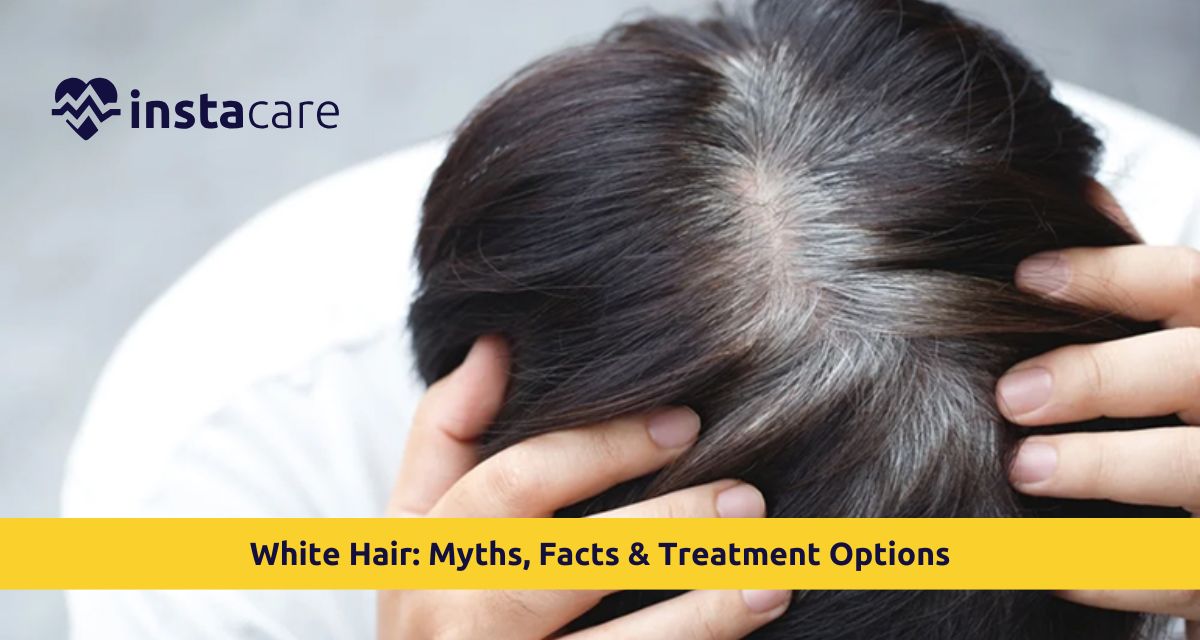
Though reversal is not certain, knowing why hair loses color supports improved maintenance routines. From time to time, changes in pigment occur due to internal shifts rather than outer influences. Because factors differ between individuals, responses to care methods also vary widely. Yet consistent attention along with suitable treatments might reduce speed of progression. Healthy strands often result when routine choices align with bodily needs.
What is White Hair?
When pigment fades, strands shift toward pale tones. With less melanin present, color diminishes slowly. Gradual reduction leads first to gray, then full whiteness follows. Loss of hue stems from declining activity within follicles.
A shift in color begins when pigment fades, not gone at first, just less present. Hair turns gray because traces remain, whereas white strands hold nothing behind. Aging brings this change slowly, though timing varies without warning. Some see it arrive long before expected.
Why Does Hair Turn White?
There are several factors responsible for hair turning white.
Aging
Fading of hair color typically occurs due to the body's natural progression over time.
Genetics
Family history plays a major role in determining when hair turns white.
Vitamin Deficiency
A lack of certain nutrients, such as vitamin B12, may lead to deficiencies that causes Hair pigmentation loss. Hair color changes might result when essential vitamins are insufficient.
Stress
Chronic stress may accelerate lifestyle causes of grey hair.
Medical Conditions
Not every body functions the same way when it comes to pigment creation. Sometimes medical conditions interfere with how color forms in skin cells. Graying patterns become clearer when causes are known, which supports more effective management. Prevention gains direction through such insight, while daily routines adapt accordingly.
Premature White Hair Explained
Premature white hair appears when strands lose color far sooner than typical, sometimes by the late teens. A shift like this usually shows up prior to age thirty. Though timing varies, changes may begin in early adulthood. Pigment reduction drives the process, influenced by factors beyond simple aging.
White hair can stem from genes, diet lacking key nutrients, emotional strain, or hidden medical issues. Though some seek natural methods to restore color, outcomes rely heavily on what started it. Ahead of time, spotting signs allows better decisions on care for early grey hair. Though timing matters, options improve when steps begin sooner rather than later.
White Hair Myths and Realities?
There are many misconceptions about white hair.
- Myth: Plucking one white hair causes more
- Fact: Plucking does not increase white hair growth.
- Myth: Stress alone causes white hair
- Fact: Stress contributes but is not the only cause of hair greying reasons.
- Myth: White hair can always be reversed
- Fact: full restoration often eludes reach, particularly as years advance.
A choice grounded in truth leads to practical approaches for white hair. When details are clear, decisions follow without illusion. Knowing what is possible adjusts expectations naturally.
Read More: Can Dandruff Cause Hair Loss?
Treatment Options for White Hair
While white hair cannot always be fully reversed, Best treatment for premature greying can help manage and slow the process.
Medical Treatments
- Supplements for vitamin deficiency and white hair
- Treatment of underlying health conditions
Cosmetic Solutions
- Hair dyes and coloring
- Professional treatments for coverage
Lifestyle Improvements
- Balanced diet
- Stress management
- Proper hair care routines
White hair treatment often rely on these methods.
Natural Ways to Address White Hair
Some people prefer to Reverse white hair naturally.
- Use of oils like coconut oil and amla
- Herbal treatments such as henna
- Eating antioxidant-rich foods
- Maintaining scalp health
Perhaps these Natural remedies for white hair could reduce greying speed while enhancing how hair feels. Though unproven, some find shifts in pigment appear less rapidly when using them. Improvement in texture often follows consistent application over time. Changes might show only after several weeks of routine use. Each person responds differently, depending on genetics and overall health.
How to Prevent Gray Hair
Even when prevention falls short, some actions slow progression. Yet timing often depends on factors beyond control.
- Maintain a balanced diet rich in vitamins
- Manage stress effectively
- Avoid excessive use of harsh chemicals
- Follow a healthy lifestyle
- Take proper hair care
Prevention of white strands begins with consistent habits that support pigment retention. Though aging affects hue, certain routines may slow visible shifts over time. When care aligns with biology, results often reflect prolonged vibrancy. Where lifestyle choices matter, small adjustments sometimes influence appearance. If maintenance is the goal, attention to detail tends to play a role.
When to see a doctor?
Consult a doctor if:
- White hair appears suddenly at a very young age
- There are signs of vitamin deficiency and white hair
- Hair loss or other symptoms accompany greying
- You suspect an underlying medical condition
Should issues arise early, a professional may detect underlying factors while guiding next steps. Treatment paths often follow once root influences are observed. Clarity comes through timely assessment before progression advances.
Conclusion
Hair turns white as people grow older, influenced by genes; however, daily habits or body changes may cause it earlier. When causes are recognized, especially lack of essential nutrients, the shift in color might be slowed. Managing this relies on awareness, not just time or family history. Changes inside the body often show outside, including in strands.
Some shifts respond to adjustments, though not every case follows the same path. Clarity about triggers supports better care over years. Appearance alters naturally, yet signals sometimes come before expected moments. Nutrition plays a role, among less obvious influences. Responses differ per person, shaped by unseen internal patterns. Observation matters when timing does not match age norms.
Please book an appointment with the best Dermatologist in Lahore, Karachi, Islamabad, and all major cities of Pakistan through InstaCare, or call our helpline at 03171777509 to find a verified doctor for your disease.