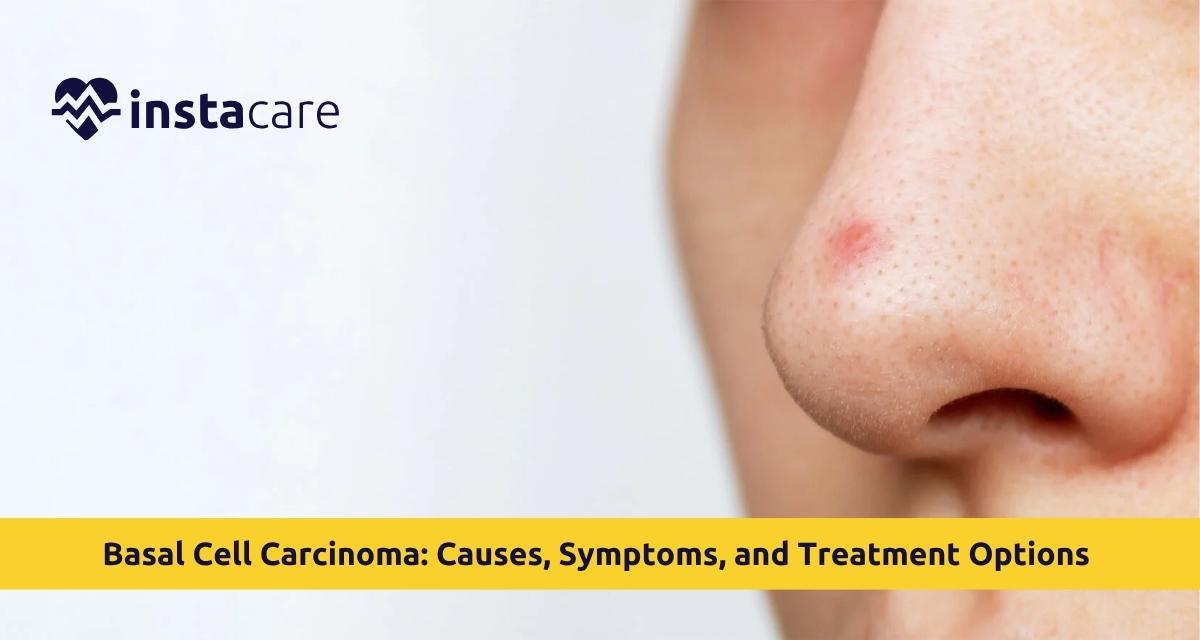
aa The areas of the skin that BCC primarily develops in are the body parts that sustain the highest exposure of the sun: the neck, ears, scalp, arms, and especially the face. While this type of carcinoma usually develops in those over 50 years of age, there is a growing rate of incidence in those younger. Because the therapy for this carcinoma is most successful in the early stages, it is very important to be proactive.
What is Basal-Cell Carcinoma?
Basal-cell carcinoma is one of the non-melanoma type skin cancers that forms in basal skin cells that contain the epidermal (the outer layer of the skin) cells. Basal cells play a vital role in the skin as they work to regenerate the skin by forming new cells and replacing the old/dying ones. Should there be any DNA damage to the basal cells, the uncontrolled growth of these cells results in the formation of malignant tumors.
Causes of Basal-Cell Carcinoma
The main reason for basal cell carcinoma development is because of the damage to basal cell DNA, resulting in atypical growth and division. There are many reasons that can contribute to this damage.
- Ultraviolet Radiation (UV): Excessive exposure to the sun or use of tanning beds can alter and damage skin cell DNA, thus increasing your skin cancer risk.
- Age, Skin Type, and Eye Color: The development of BCC is common in individuals over the age of 50. This is due to the cumulative sun damage that the skin endures. Skin cancer development also becomes more prevalent in people with less melanin (lighter skin, hair, and eye color) as they are more affected by UV radiation.
- Genetics: Another reason one is more prone to BCC is due to their family history of BCC or the basal cell nevus syndrome that one may have.
- Immunocompromised People: People with a suppressed immune system are at an increased risk to develop BCC.
- Sensitivity to Carcinogenic Substances: For example, BCC development becomes more likely after exposure to arsenic.
Environmental exposure, especially to UV radiation, plays a major role, not heredity alone, in the development of BCC.
Common Symptoms of Basal-Cell Carcinoma
BCC progresses slowly and presents subtly. Common symptoms include:
- Pink or White Bumps: These bumps appear pearly or waxy and have visible blood vessels.
- Flat Flesh Colored Patches: These patches are often dry, rough, and resemble a scar.
- Soars that Bleed or Never Heal: These sores are open and often crust over, refusing to heal after weeks or months.
- Shiny Nodules: These can appear translucent and are often large and located on the face or ear.
- Irritated Areas: These can be red and inflamed, and can also be tender and itchy.
BCC is painless, which can delay diagnosis. It is often identified when a scab or a sore becomes stagnant and refuses to heal.
Types of Basal-Cell Carcinoma
BCC can manifest the following types:
- Nodular BCC: This type is the most prevalent and is often on the face as a pearly or waxy bump containing visible blood vessels.
- Superficial BCC: This type is flat and reddish with a scaly appearance. It reacts to treatment like eczema or psoriasis.
- Morpheaform BCC: This type of BCC is often firm and appears as a scar. This can also be aggressive and penetrate to deeper layers of the tissue.
- Pigmented BCC: This type has a dark pigmentation and can resemble a mole. This can also be mistaken for melanoma, and is usually the most aggressive of the types.
- Ulcerative BCC: This type is commonly prone to bleeding and has a central ulcer.
The different types of BCC affect both the selected treatment and the speed at which treatment is administered. For instance, morpheaform BCC is more aggressive and requires detailed management.
🩸 Book Complete Blood Count (CBC) Test at Human Care Lab – Get 25% OFF
Diagnosis of Basal-Cell Carcinoma
Management of BCC is very time sensitive. Various methods of diagnosis include:
- A physical exam is a direct examination of lesions by a licensed dermatologist with a special focus on BCC.
- Dermatoscopy involves a zoomed-in examination of the skin to find patterns that aren’t visible otherwise.
- A biopsy involves the removal of a section of tissue with a lesion and a pathologist examines the sample.
- Lastly, looking at images such as an MRI or a CT is very rare and can be used for cases of BCC that are advanced or invading more than just the skin.
Treatment Methods for Basal Cell Carcinoma
There are a variety of treatment options for BCC that are all very effective. Depending on the patient's health in addition to the location, type, and size of the tumor the following options may be advised:
- An excision, which involves the entire tumor and adjacent tissue being removed. This is both a very common and effective treatment.
- Moh’s micrographic surgery is very similar; however, this method is unique in that the removal of the tumor is done in successive layers with each layer being microscopically examined for total tumor removal. This is a very good method for BCC that is on the face due to the preservation of adjacent tissue.
- Electrodessication and curettage is accomplished by scraping off the tumor and afterwards using an electric current to destroy any remaining tumoral cells. This can also be utilized for superficial BCC.
- Cryotherapy focuses on the superficial BCC as well and is a method wherein the tumor is frozen to destroy it using liquid nitrogen.
- Chemotherapy is offered in a cream form for some superficial BCC patients who do not qualify for surgical options.
- Radiation therapy: Reserved for those who can't have surgery.
- Targeted therapy: Advanced and rare BCC is treated with vismodegib and similar agents that target specific tumor biology.
Treatment is essential to prevent a BCC from growing to a large and destructive tumor with potential to cause serious disfigurement, while the cancer is unlikely to spread.
How to Prevent Basal-Cell Carcinoma?
Prevention efforts aim to the UV exposure reduction and skin surveillance:
- Every day, slather on sunscreen that has a broad spectrum and SPF rating of 30 and higher, even when the sky is gray.
- Outdoors, wear sun-protective clothing, sunglasses, and wide-brimmed hats.
- Don’t use tanning beds or sunbathe.
- Bumps, spots, and lesions should be looked for often to surveillance for skin changes.
- Especially when your family has a history of skin cancer or you have light skin, consider yearly visits to your dermatologist, and they will check for skin cancer.
Living With Basal-Cell Carcinoma
When the cancer is growing slowly and has a strong potential to respond to treatments, it is still a cause of anxiety because of the potential for the impact on the face and other highly visible parts of the body. There are support measures that include:
- Visible burn scars and low self-esteem are better managed with counseling.
- To look for skin lesions that are new, and to monitor for possible recurrence of the cancer, dermatologists should be seen often.
- Reducing the negative stigma of visible disease that is in everyone’s face is helpful. Educating people about the chronic and incurable nature of the disease is helpful to the patient.
- To protect skin with sun protection, moisturizers, and scar creams are all helpful and should be given to people with burn scars on their skin.
With appropriate medical care and treatment, routine monitoring, and for the majority of people with this condition, the disease is manageable, and there are no significant complications.
Conclusion
Basal-cell carcinoma is the most common skin cancer. It starts with slow growing cancerous basal cells in the epidermal layers of the skin. The cancer is not life-threatening because it does not grow on other organs. It is dangerous, however, because untreated BCC can grow indefinitely on skin and destroy surrounding tissues. It is much more of an irritation with disastrous cosmetic effects. The best treatment is prevention, which includes avoiding sun exposure, sun screen, and prompt treatment. The recommended treatments are very effective and regular skin checks are always good practice.
Please book an appointment with the best Dermatologist in Lahore, Karachi, Islamabad, and all major cities of Pakistan through InstaCare, or call our helpline at 03171777509 to find a verified doctor for your disease.