What is Eschar?
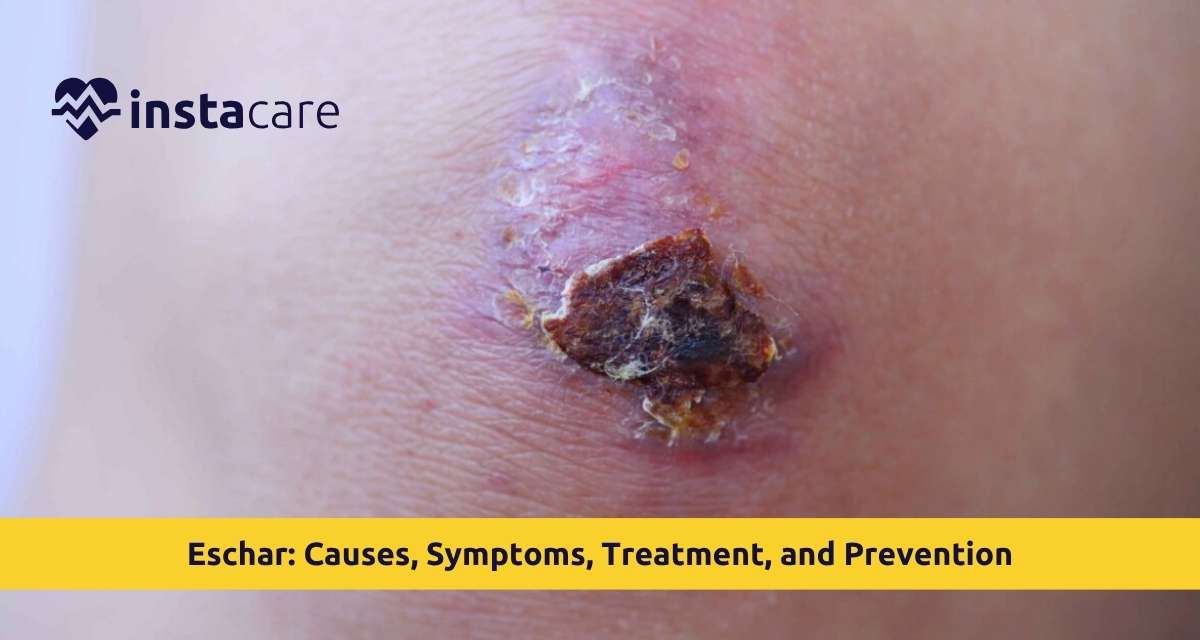
An eschar is a form of necrotic tissue (poisoned tissue) that develops on the skin following an extensive area of destruction, such as burns, frostbite or infection. It may be in the form of a dark, hard, and crusty layer on the affected place. Eschar is a natural healing process of the body after severe injury, both in medical terms, but also a sign of other serious underlying problems within the body that require medical care.
Escar is a consequence of the death of skin or tissue and has a cause ranging between trauma and other causes such as poor circulation, infection, or lack of blood. When a severe bodily injury happens to the body- particularly with burns, ulcers, or infected wounds- the dead tissues would form a scab like cover on the area in order to shield the underlying tissues as they attempt to heal.
Causes of Eschar Formation
Burns:
One of the most common causes of eschar is burns. In chemical as well as thermal burns, skin damages to the extent of causing death of the tissue and developing an eschar. This type of necrosis may be heat burns, electrical burns or chemical burns where the body will then naturally heal the area with a hard thick cover over the tissue that was burned.
Infections:
This can also be induced by bacteria infection, in particular, some of them, such as Pseudomonas aeruginosa or Staphylococcus aureus. The infected wounds might fail to heal and the infected tissue might die and develop a scab-like eschar. Another type of infection is that of gangrene whereby eschar may arise due to tissue death.
Pressure Ulcers (Bedsores):
Bedsores or pressure ulcers are wounds on the skin that are a result of the long-term pressure on a specific part of the body. Otherwise, untreated these sores may become infected and lead to necrosis, which leads to the development of eschar. The immobilization leading to poor circulation is common and often a contributing factor to these ulcers.
Frostbite:
Frostbite is a condition where body tissues are frozen because of an extreme low temperature. It harms the skin and background tissues causing necrosis and consequently the development of an eschar. The skin will first turn red or pale and as further progression of frostbite, the tissue can become black and peel off leaving an eschar.
Vascular Diseases:
Peripheral arterial disease (PAD) or diabetes may lead to conditions that inhibit blood circulation to some body parts. A reduction in blood circulation to the area may result in the death of the tissues and the development of an eschar. These disorders commonly lead to chronic ulcer and nonhealing wounds.
Hives (Urticaria): Causes, Symptoms, Treatment, and Prevention
Symptoms of Eschar
Eschar development is usually characterized by a number of signs and symptoms including:
- Dark, Blackened Tissue: This region can be black, dark or even brown like a scab or burnt skin.
- Pain: Although the establishment of eschar may not be painful (the tissue is dead), the underlying cut or burn can be very painful, particularly in case of infection.
- Foul Smell: Infected eschar structures have a foul smell caused by bacteria and necrotic fluid.
- Swelling and Redness: The eschar area can swell and turn redd in case there is an infection in the area.
- Discharge: The wound below the eschar can sometimes produce pus or other fluids (when they are infected).
Treatment of Eschar
The management of eschar is mostly based on the cause of its occurrence and the degree of tissue damage. Generally, the management of eschar encompasses the wound or injury which led to the development of the eschar and facilitation of natural healing of the body.
Wound Care:
It is important that the wound is properly taken care of to avoid infection and ensure healing. The eschar itself is usually not removed unless it is causing the underlying wound to not heal or is infected. In cases where the eschar is interfering with healing, healthcare providers can debride the eschar (debridement) using procedures such as surgical debridement, mechanical debridement and enzymatic debridement.
Drugs:
When the eschar is due to infection, it is likely that antibiotics will be given to treat the infection. The infection should be managed to avoid additional tissue damage and allergies such as sepsis (a deadly infection that may affect the whole body).
Surgical Intervention:
Surgical debridement of the gangrene or severe burns could be required in certain cases. This process is referred to as debridement as it entails the elimination of any eschar and necrotic tissues around it so that normal tissue can regenerate.
Skin Grafting:
In the case of large burns or a large portion of necrotic tissue, it might be necessary to have skin grafts to replace the lost tissue. This is where healthy skin of the skin of another part of the body (or a donor) is removed and applied on the affected area.
Supportive Care:
Underlying conditions, including diabetes or vascular diseases should be controlled to avoid any further eschar development. Good circulation, nutrition and blood sugar regulation will assist in healing wounds and prevent formation of new wounds.
Conclusion
The development of eschar is a natural response to extreme tissue trauma or infection, as a reaction to the healing process. Although it may be frightening, the eschar is not necessarily an indicator of imminent threat. It requires proper care, and treatment so that the tissue would be healed properly and that some underlying infection or complications would be resolved. When you see an eschar developing on a burn or wound you should consult a doctor who can prescribe the most effective form of treatment.
Please book an appointment with the best Dermatologist in Lahore, Karachi, Islamabad, and all major cities of Pakistan through InstaCare, or call our helpline at 03171777509 to find a verified doctor for your disease.