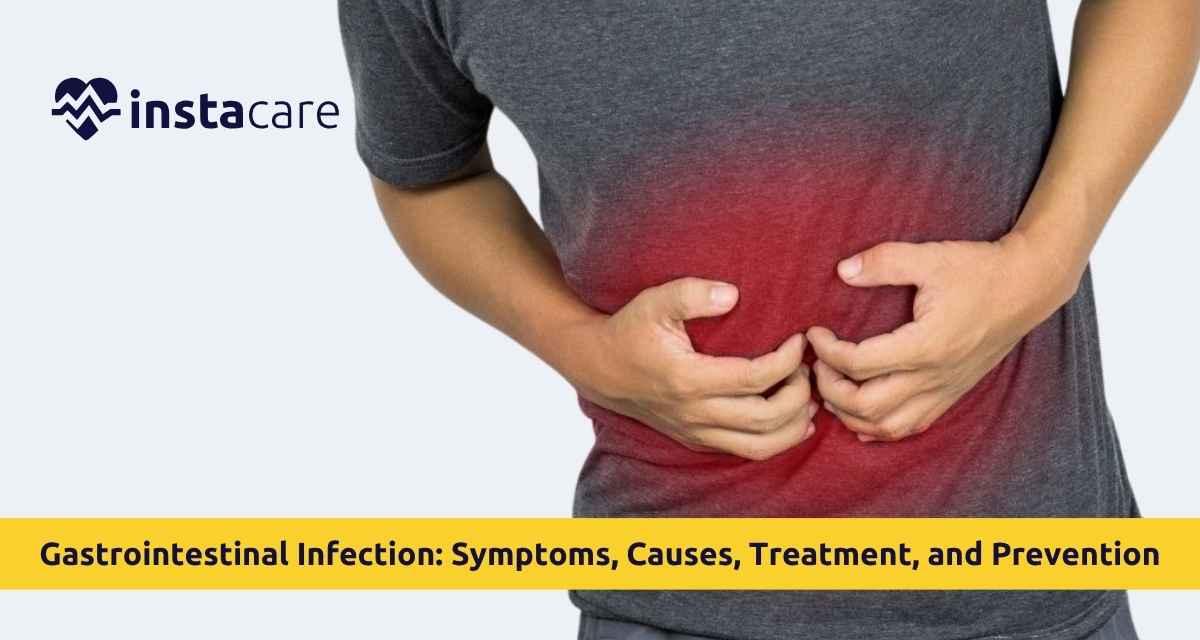
A cautious introduction to gastro intestinal infections will be provided in this blog, their causes, symptoms, treatment and prevention. The general questions linked with the gastrointestinal infections will also be answered, to allow the reader to have a more refined idea on how to treat and prevent them.
What is Gastrointestinal Infection?
A gastrointestinal infection is infection of the stomach or intestines and possibly both of both by microorganisms that damage them, including bacteria, viruses, and parasites which leads to inflammation and digestive dysfunction. The infections can be acquired through contaminated water, food, or even through contact with people or surfaces exposed to people with the infection or in direct contact with infected persons. They are mostly referred to as food poisoning or stomach bugs.
The majority of gastrointestinal infections are light and therefore may go away on their own, though not all infections and some gastrointestinal infections can leading to dehydration, malnutrition and other severe complications.
Causes of Gastrointestinal infections
Bacterial Infections
A bacterial infection is one of the most common causes of gastrointestinal infections. The most common type of bacteria, which can cause gastrointestinal illness, are:
- Salmonella: The Salmonella bacterium frequently attaches itself to raw or undercooked meat, eggs and other dairy items.
- Escherichia coli (E. coli): Escherichia coli possesses some strains, such as E. coli O157:H7, capable of causing severe diarrhea and food poisoning that is typically the result of contaminated water or E. coli-contaminated raw ground beef.
- Campylobacter: It is a type of bacterial pathogen most commonly associated with under cooked chicken which results in abdominal pain, diarrhea and fever.
- Shigella: Bacteria causing dysentery and caused by contaminated water or food.
Viral Infections
Viruses cause another cause of gastrointestinal infections. Viruses are most commonly:
- Norovirus: Norovirus is also commonly referred to as the stomach flu and highly contagious, which makes it the cause of many outbreaks especially in some closed facilities such as cruise ships, nursing homes and schools.
- Rotavirus: It is some of the prevalent causes of diarrhea in small children and infants. Vaccination has been successful in reducing rotavirus infection dramatically.
- Adenovirus: A less common virus that can possibly be a cause of gastroenteritis particularly in children, which results in such symptoms as diarrhea and vomiting.
- Enteric coronavirus: certain coronavirus types of the family such as enteric coronaviruses can cause gastrointestinal syndrome.
Parasitic Infections
Parasites also have gastrointestinal infections, and in many instances can result in chronic symptoms. Examples of some common parasites include:
- Giardia: Giardias is a protozoan parasite that can lead to giardiasis and the outcome can include diarrhea, bloating and cramping. It is normally transmitted in dirty water.
- Amoebiasis: An infection by the parasite Entamoeba histolytica, can result in excessive diarrhea, abdominal pains, and fever.
- Cryptosporidium: This is a sort of parasitic infection that infects the intestines and most likely acquired through polluted water.
Fungal Infections
Fungi may also infect gastrointestinal tract; although rather uncommon. Candida infection such as candidiasis can cause such symptoms as bloating, stomach pains, and bowel changes.
Book your Calprotectin (Stool) Test from AL-Nasar Lab and enjoy an exclusive 13% DISCOUNT
Symptoms of Gastrointestinal Infections
Based on the microorganism causing gastrointestinal infections, they can be associated with various symptoms. However, common signs are:
- Diarrhea: This is one of the most common which can be of different severity. Blood or mucus will explain diarrhea in some of the instances.
- Vomiting: It is usually accompanied by nausea and stomachache.
- Abdominal Pain and Cramping: The inflammatory process caused by the infection can result in pain, bloating and stomach pain.
- Nausea: A feeling that one does not feel so good or wants to vomit.
- Fever: There may be mild to moderate fever, most especially in cases of bacteria.
- Dehydration: Due to the loss of fluids in the diarrhea and vomiting, the most critical complication of gastrointestinal infections is the dehydration. Dehydration symptoms include dry mouth, low urine, vertigo and weakness.
- Headache and Fatigue: Other people may experience general fatigue, muscle pain and headache.
The symptoms can be temporary and timed out. Most gastrointestinal infections tend to disappear in under a few days to a week although some of the gastrointestinal infections may culminate in the presence of a continuing symptomology, particularly, parasitic related infections that may not be treated.
Gastrointestinal Infections Treatment Options
Treatment of gastrointestinal infections is primarily directed towards relief of symptoms, prevention of dehydration and enabling the body to recover. Most of the infections are limited to themselves and they can be cured within a few days but supportive care is noteworthy to ensure recovery.
Hydration
The greatest aspect of gastrointestinal infection management is to be well hydrated. Common complication is dehydration; this is due to the loss of fluids caused by diarrheal and vomiting. A high amount of water intake is significant and oral rehydration solutions (ORS) are even better because they are not only composed of water but also essential electrolytes which are lost as a result of infection.
Rest
Sleep plays a crucial role in helping the body to recover after being infected. Exercise will assist in energy absorption and assist the immune system.
Medications
Antidiarrheal Medications: In some situations, using such over-the-counter medications as loperamide (Imodium) can be used to alleviate diarrhea. However, these are not supposed to be used in case of any bacterial infection that starts with bloody diarrhea or high fever.
- Antiemetics: Such medications as ondansetron cannot be employed to control vomiting and nausea, especially in severe cases.
- Antibiotics: Infection by a bacterial pathogen could be treated with antibiotics, and they may include Salmonella or Shigella. However, they should not be treated using antibiotics as they are viral in nature and antibiotics cannot treat them.
Dietary Recommendations
Until you can eat without having a rush to go to the toilet, do not take solid food. Once the symptoms have become visibly better, begin to consume bananas, rice and toast in small and slow portions as these are bland kinds of food and are easily digested. Snack on spicy and fatty food and dairy until one is done with them.
Gastrointestinal infections Prevention
The preventive practices related to gastrointestinal infection are proper hygiene, food safety and precaution measures during traveling to the low-sanitation places. Some of the key prevention strategies include:
Wash Hands Frequently
Hand hygiene is a key move towards gastro intestinal infection stave. Thoroughly wash your hands with soap and water especially when a person has touched the amenities before touching food or after eating.
Safe Food Handling
- Prepare meat, especially chicken, properly in order to get rid of diseases.
- Enough water should be sprayed over fruits and vegetables to remove the contamination.
- Incautions should include not eating raw fish or partially cooked meat and seafood.
- You should also be careful of eating the food of the street vendors or restaurants whose cleanliness is questionable.
Drink Clean Water
Consumption of pure water should be avoided, particularly in areas where water is not filtered. Use bottled water or boiled water.
Vaccination
It is possible to vaccinate against some gastrointestinal infections, such as the rotavirus infant vaccine that prevents severe diarrhea in young children.
Conclusion
GI infections are common and it has many pathogens that cause infections. The majority of the cases can be addressed without any complications; nevertheless, being hydrated and resting as the outcome of the recovery is crucial. Some measures that prevent gastrointestinal infections include good hygiene, food safety and precautionary measures instead of traveling.
Provided that symptoms are too severe, or severe dehydration is present, medical attention is needed to avoid further complications. The information on the causes, symptoms, and treatment of gastrointestinal infections will allow you and your loved ones to better defend against the unpleasant and even serious diseases.
Please book an appointment with the best Gastroenterologist in Lahore, Karachi, Islamabad, and all major cities of Pakistan through InstaCare, or call our helpline at 03171777509 to find a verified doctor for your disease.