What is Palm Rash?
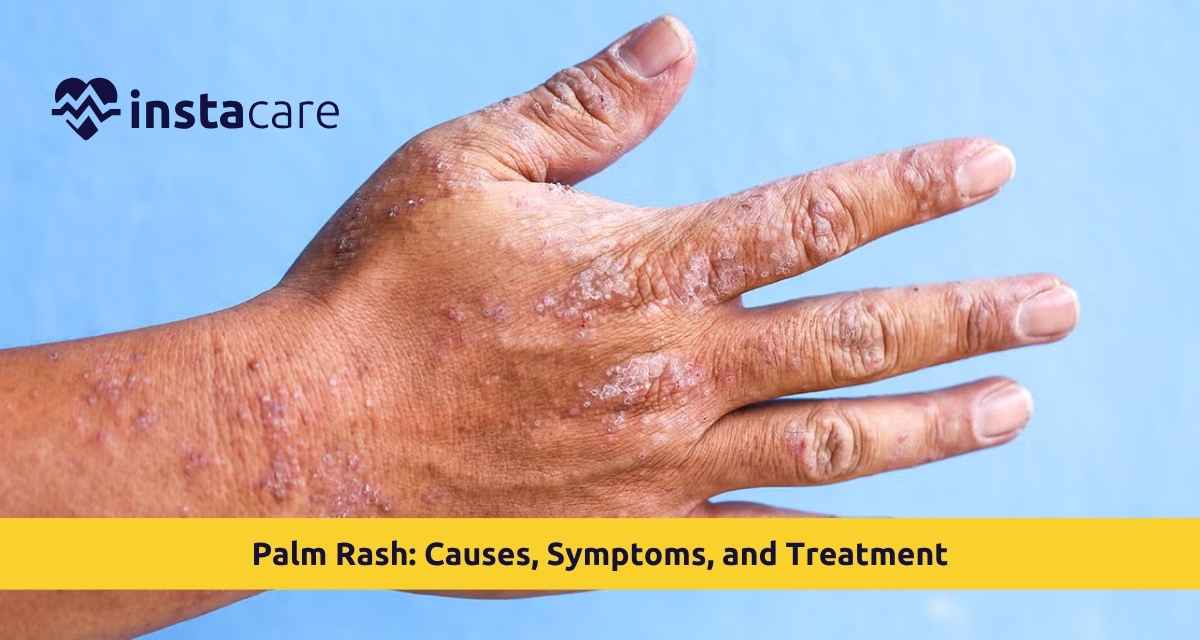
A palm rash is irritation, redness, swelling, or inflammation present on Palm skin. It may be induced by numerous factors such as allergic reactions, infections, skin disorders or exposures to irritants. Palm rashes might be in the form of red spots, tiny bumps, blisters, and scaling depending on the underlying cause. They may in certain incidences lead to itch, burning or tingling.
As a lot of activities can be carried out using the palms, and they can interact with a variety of substances, rashes on this part can be especially irritating. In order to treat the rash it is necessary to know its cause.
Common Causes of Palm Rash
The palms are susceptible to developing a rash caused by several reasons. Some of the most common causes are below:
Allergic Reactions:
The most frequent palm rash caused by an allergic reaction. Once the skin is exposed to an allergen like specific soaps, lotions, or foods, this may lead to an immune reaction. This response can be either redness, swelling, itching or hives on the palms. The typical allergens are nickel (jewelry), latex (gloves), or certain substances in skin-care products.
Contact Dermatitis:
Contact dermatitis is a condition that develops after the skin comes in direct contact with an irritant or an allergen. It may result in itching, redness, and swelling. Contact dermatitis can be in two forms:
- Contact Dermatitis, Irritant: This is because of the exposure to harsh chemicals like the cleaning products, laundry or laundry detergents or solvents. This leads to inflamed and irritated skin.
- Allergic Contact Dermatitis: It appears due to allergic response to chemicals such as poison ivy, fragrances or nickel (metal) etc. The blood is immune to cause an inflammatory response which results in a rash.
Eczema:
Eczema or atopic dermatitis is a long-term skin disease which results in inflammatory erythema and itchiness. It may involve different parts of the body, such as the palms. Environmental factors such as changes in temperature, stress, or allergens can cause an eczema flare-up. Individuals who have eczema are most likely to experience a more delicate skin barrier, which is prone to irritation on the skin.
Psoriasis:
Psoriasis is a long-lasting autoimmune disorder, which causes skin cells to grow very fast, forming thick and scaly spots. These patches tend to be on the palms, elbows and knees. Stress, infections, specific medications or the environmental factors can trigger psoriasis flare-ups. The palms can turn red, inflamed and scaled in silvery scales.
Infections:
Palm rashes may also manifest as a result of an infection of bacteria, viruses, or fungi. Palm can be infected with fungal infections such as ringworm, which leads to red itchy patches with raised borders. Blisters may be experienced on the palms of the hands, as well as foot and mouth due to viral infections that are accompanied by fever and a rash in other parts of the body. The palms can also have red and oozing sores due to bacterial infections such as impetigo.
Sweat Dermatitis:
Sweat dermatitis is a condition that is also referred to as prickly heat as a result of the sweat being confined in the sweat glands leading to inflammation and a rash. This occurs in the hot, humid climate and may occur on the palms and other parts of the body. The rash is normally red and blisters forming bumps or groups.
Systemic Conditions:
Some systemic ailments (liver disease or thyroid disorders, etc.) may lead to palatal rashes. As an example, in liver disease an individual may acquire red palms (also known as palmar erythema) as a result of alterations in the blood vessels beneath the skin.
Drug Reactions:
The side effect of using some medications may be allergy and rash. A rash on the palms could be a result of a drug-related reaction, such as from antibiotics or nonsteroidal anti-inflammatory drugs (NSAIDs). These rashes may be supplemented with other symptoms such as fever or joint pain.
Palm Rash symptoms
Symptoms of a palm rash may differ based on the cause, but likely include:
- Redness: The skin under the palms could be red or inflamed.
- Itching: Itching is usually seen as part of the allergic reaction and in cases of eczema and contact dermatitis.
- Swelling: The affected part could swell, causing the palms to be tender or tight.
- Blister or Bumps: The blisters or small bumps on the skin may happen as a result of infection, eczema or contact dermatitis.
- Peeling or Cracking: Extreme cases may cause the skin to peel or crack and thus become rough and dry.
- Burning or Tingling: This is more likely to occur in viral infections or rashes of nerves.
- Palm Rash is a condition that can be treated.
Book Hand X-Ray (AP View) at Alnoor Diagnostic Centre – Get 15% OFF
Treatment for Palm Rash
The treatment for palm rash depends on the underlying cause. Some of the usual treatment options would be below:
- Prevention of the Trigger: Prevention of a trigger is the initial step of treating a palm rash which involves identifying and eliminating the triggering substance or condition. In the case of allergic reactions or contact dermatitis, the rash may be prevented by avoiding the allergen (e.g., some soaps, jewelry or foods) which in turn avoids the rash.
- Topical steroid: Corticosteroid creams/ointments of either over-the-counter or prescription strength may be used to help decrease inflammation, redness, and itching. These drugs are normally applied in eczema, psoriasis and allergic reactions.
- Antihistamines: Antihistamine medications can be used to reduce swelling and itching, however, it is associated with an allergic reaction. Antihistamines can be taken orally or applied topically.
- Moisturizing Creams: To treat such issues as eczema or dry skin, a thick fragrance-free moisturizer can be used to calm the skin and avoid any false additional irritation. Use of moisturizers: Use moisturizers after washing hands so as to seal the moisture.
- Antifungal Medications: An over-the-counter antifungal cream (or prescription) may be prescribed in case of a fungal infection causing the rash. Such drugs assist in getting rid of the infection and also suppressing symptoms.
- Antibiotics: Antibiotics may be required in the case of the palm rash caused by the bacterial infection such as impetigo. Ordinarily, it is treated with topical or oral antibiotics, which treat bacterial skin infections.
- Cold Compress: A cold compress on the part can be used to relieve swelling and itching particularly in cases of allergies and inflammatory diseases.
- Phototherapy: Phototherapy (light therapy) can be used in severe cases of psoriasis or eczema that do not respond to topical therapies. It is a treatment that uses ultraviolet (UV) light to cool the inflammation and heal the skin, by exposing the skin to a controlled amount of UV light.
Prevention of Palm Rash
The prevention of palm rashes is based on prevention of triggers and their identification with keeping the skin healthy:
- Apply mild Skin Use Products: Do not use harsh soaps, detergents or lotions, which may irritate the skin. Opt for hypoallergenic and fragrance-free products.
- Wear Protective Gloves: Gloves can be used in case of cleaning products, chemicals or gardening as they help protect your hands against irritants.
- Deal with Stress: Stress has been identified as a trigger of eczema and psoriasis. Use stress management methods such as deep breathing, yoga or exercise.
- Hygiene Practice: Wash your hands frequently with low levels of soap and water, though do not over wash, this may dry the skin.
- Keep a Check on the Side Effects of Medicine: In case you are taking a medicine, consult your doctor on the side effects (such as rashes), and change medicine (where needed).
Conclusion
A palm rash might seem to be a painful condition, which means that with proper treatment and prophylaxis, most of the rashes can be under controlled. No matter what causes it, be it allergies, eczema, or even an infection, it is important to determine the root cause in order to alleviate future outbreak and also lead to better overall skin health. In case you have active or chronic rashes, it is important to seek medical attention in order to be diagnosed and treated properly.
Please book an appointment with the best Dermatologist in Lahore, Karachi, Islamabad, and all major cities of Pakistan through InstaCare, or call our helpline at 03171777509 to find a verified doctor for your disease.