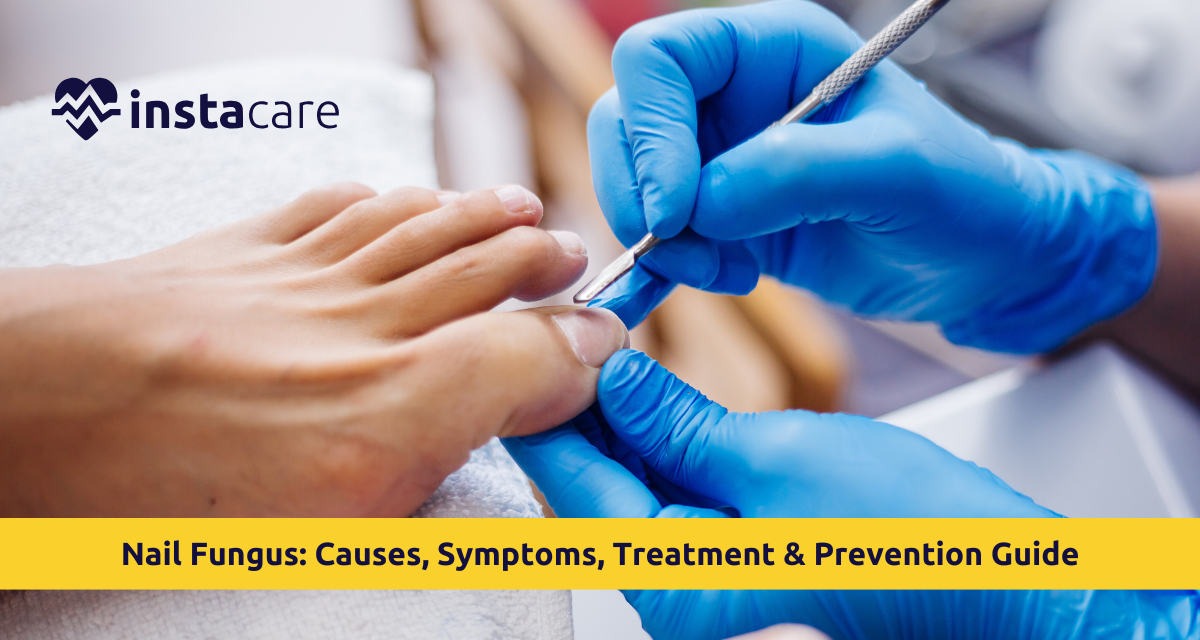
Nail fungus is an infection that is known to grow in toenails and fingernails causing discoloration, thickening, and splitting nails. Onychomycosis or medically referred to as Onychomycosis is a condition that is developed by fungi growing in the nail bed and in most cases; this is where the fungi thrive well in warm and damp environments. Fungal nail is not always harmful, but left untreated, it may spread and become hard to deal with. This guide contains information about the causes, symptoms, and the most effective treatments of Nail fungus to enable you to maintain your nail health.
What is Nail Fungus?
Nail fungus is a Fungal nail infection or microscopic infection which is brought about by dermatophytes, yeasts and mold’s. It affects most commonly toenails because of extensive contact with the moisture of shoes and socks.
Toenail fungus is common compared to Fingernail fungus although both conditions are not uncommon, particularly in persons with compromised immunity or individuals with poor nail health. The infection normally begins as a small white or yellow spot and it progressively increases without treatment.
Causes of Nail Fungus
Knowledge on Causes of nail fungus assists in prevention and early treatment.
Common causes include:
- Excessive exposure to wet conditions.
- Wearing bare feet on the street (pools, gyms).
- Snug or air-tight footwear.
- Poor nail hygiene
- Nail injuries or cracks
- Excessive sweating
Fungi are most likely to flourish in hot and damp places hence feet are prone to them.
Signs and Symptoms of Nail Fungus
Early detection of the symptoms of Nail fungus can help to avoid complications.
Common signs include:
- Thickened nails
- Discoloration may be yellow, white or brown.
- Brittle or crumbly nails
- Distorted nail shape
- Foul odor
- Peeling of the nails off the nail bed.
Complex infections can result in pain and inability to put on shoes.
Risk Factors of Nail Fungus
Some people are more susceptible to fungus of the nails.
Key risk factors:
- Aging (slower nail growth)
- Diabetes
- Weak immune system
- Athlete's foot
- Poor circulation
- Frequent exposure to water
- Nail trauma
Individuals who have long-term illnesses need to observe nail health.
Diagnosis Nail Fungus
A diagnosis should be done properly since there are other nail conditions that can be related to fungal infections.
Physicians normally diagnose Onychomycosis through:
- Physical examination
- Nail scraping tests
- Microscopic analysis
- Fungal culture
In other instances, laboratory testing assists in identification of specific type of fungus to allow treatment.
Read More: 9 Ways To Stop Biting Your Nails
Treatment Options for Nail Fungus
Nail fungus can be treated with a variety of different options, depending on the severity.
Topical Treatments
- Antifungal nail painting or cream.
- Appropriate in the mild infections.
- Requires long-term use
Oral Antifungal drugs
It is often regarded as the Best medicine for nail fungus in cases that are moderate and severe.
- Prescribed by doctors
- Better outcomes than topical therapy.
- Needs to be monitored on side effects.
Laser Therapy
- Non-invasive option
- There is light energy that is used to treat fungus.
- Growing in popularity
Nail Removal (Severe Cases)
Emergency treatment with temporary elimination may be suggested in case the infection is painful or stubborn.
Earlier intervention increases the rates of success of the treatment.
Prevention Tips for Nail Fungus
Fungal infections are simpler to prevent as compared to treating.
Effective prevention tips:
- Keep nails clean and dry
- Wear breathable footwear
- Change socks daily
- Do not walk around without a pair of shoes.
- Use antifungal powders
- Trim nails properly
- Disinfect nail tools
Recurrence is greatly minimized by good hygiene.
Home Remedies for Nail Fungus
Home remedies for nail fungus are learned by some people in case of mild infections.
Popular options include:
- Tea tree oil applications
- Vinegar soaks
- Baking soda paste
- Coconut oil (anti-fungal properties)
Home remedies are useful with early cases, but prolonged infections are treated using medical means.
When to See a Doctor
You need to consult a medical practitioner when:
- The infection becomes or becomes worse.
- Nails become painful
- You are diabetic or have circulation problems.
- Over-the-counter medicines are unsuccessful.
- Nail detachment occurs
Timely intervention will avoid complications and permanent nail damage.
Conclusion
Nail fungi are common and treatable disorders which affect toenails and fingernails. Nail fungus symptoms manifests early and the Causes of nail fungus are known to prevent the infection. Most of the cases can be brought under control with appropriate hygiene, early detection and appropriate Nail fungus treatment. In case the symptoms continue, a doctor will provide safe and effective recovery.
Please book an appointment with the Best Dermatologist in Lahore, Karachi, Islamabad, and other major cities across Pakistan via InstaCare, or call our helpline at 03171777509 to find a verified doctor for your condition.