What is Nose Acne?
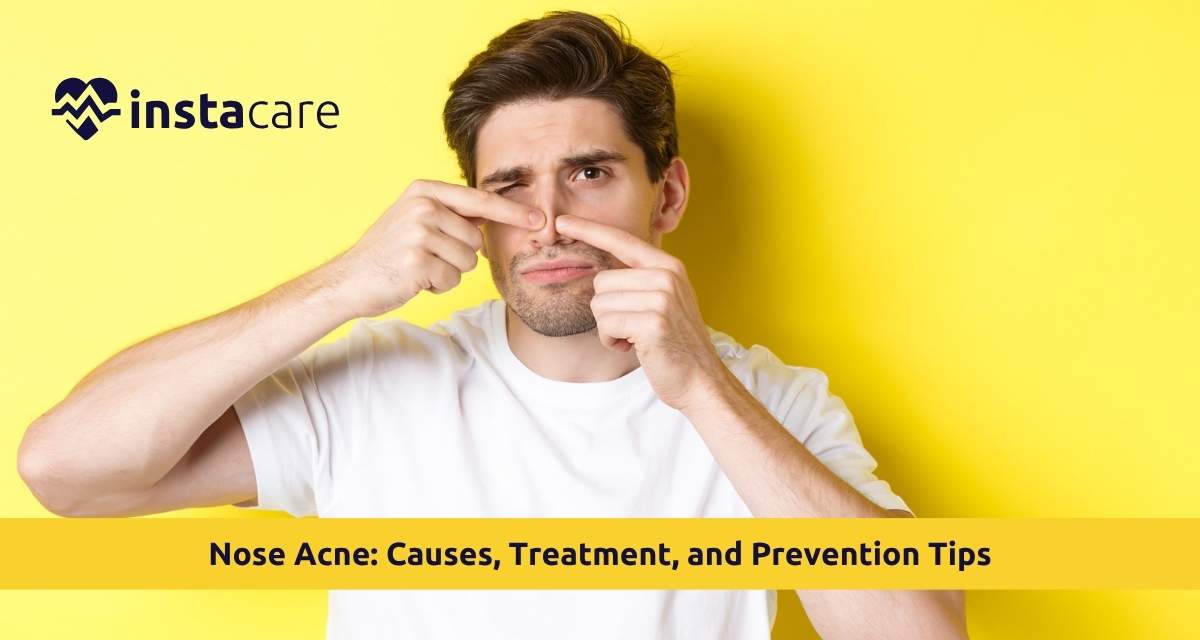
Acne on the nose shows up as spots, blocked openings, or darkened bumps near or on the nasal surface. Oil glands work more intensely in this section of skin, which lies within what experts call the T-zone. Pores fill with excess sebum, debris, or shed skin layers, this trapping often shows up along the nasal area. When irritation follows, swelling can appear; sometimes tenderness forms at that spot.
Causes of Nose Acne
Several factors contribute to nose acne.
Excess Oil Production
Excess oil production causes blockages within nasal follicles.
Hormonal Changes
Hormonal fluctuations can cause hormonal acne on nose, especially during puberty or menstruation.
Poor Skincare Habits
Failure to clean skin thoroughly may lead to increased breakouts when rich formulas are applied. Unremoved residue tends to mix with oils, creating blockages more easily under these conditions.
Bacteria and Dirt
Accumulation of bacteria leads to inflammation and breakouts.
Diet and Lifestyle
Frequent consumption of processed foods along with emotional strain can play a role in triggering breakouts.
Symptoms of Nose Acne
Early signs, when noticed, allow better control of acne. When spots appear, acting fast makes treatment more successful. Spotting changes soon leads to improved outcomes over time.
- Red or inflamed bumps
- Painful pimple on nose
- Blackheads or whiteheads
- Swelling or tenderness
- Pimples filled with pus may appear when the condition worsens
A clear signal appears when skin around the nose shows imbalance. Attention shifts toward targeted care in such cases. Where breakouts form, gentle methods often matter most. Response depends on consistency, not intensity. Patterns emerge with persistent cleansing routines. Clarity follows only after regular adjustments. Outcomes reflect daily choices more than sudden changes.
Types of Nose Acne
Bumps on the nose might show up in various ways.
Blackheads
Pores may appear enlarged when blocked by natural oils and trapped particles, commonly mistaken for one another; these are sometimes sebaceous structures rather than clogged openings. Sebaceous filaments vs blackheads look like dark spots yet differ in origin.
Whiteheads
Closed Clogged pores on nose that appear as small white bumps.
Papules and Pustules
Pus may fill some red, inflamed spots. These appear as swollen bumps on irritated skin.
Cystic Acne
Deep, painful acne that may cause swelling and requires special care.
One way to pick suitable items for nose acne knows the kinds involved. Different categories guide decisions without guesswork. Selection becomes clearer when types are recognized early. Choices align better once distinctions are understood. How a product works often depends on what kind of issue appears.
Read More: Chest Acne 7 Ways to Get Rid of It
Treatment Options for Nose Acne
How well therapy works relies on how serious the acne is.
Topical Treatments
Starting with pore-clearing ingredients, formulations containing salicylic acid work by dissolving excess oil; meanwhile, those with benzoyl peroxide target swelling through antibacterial effects. While one loosens dead skin cells, the other limits microbial growth deep within follicles.
Medications
Occasionally, medical professionals suggest medication targeting bacterial causes or imbalances tied to breakouts around the nasal area. Prescription options might address underlying triggers rather than surface signs alone. Treatment paths differ based on individual patterns and observed symptoms. Some approaches focus on regulating internal factors influencing skin health near the center of the face.
Professional Treatments
- Chemical peels
- Extraction procedures
- Dermatological treatments
One way to handle nose pimples involves gentle techniques that avoid irritation. Yet safety matters most when dealing with sensitive facial areas. Methods differ, though some focus on cleanliness and patience instead of quick fixes. Results may vary even when steps seem correct. Careful approaches often lead to better outcomes without worsening the condition.
Home Remedies for Nose Acne
Simple Nose acne home remedies can help manage mild acne.
- Tea tree oil may be used due to its ability to fight bacteria
- Use aloe vera to soothe inflammation
- Apply warm compresses to reduce swelling
- Maintain proper hygiene
A few natural approaches may assist recovery if applied regularly. Healing could follow when routines stay steady. With time, certain steps might help soothe discomfort. Some methods show results only through repeated effort. Relief often appears where care stays frequent. Patience tends to matter more than speed. Results depend on how steadily habits continue.
Skincare Routine for Nose Acne
Consistency matters when handling breakouts. One effective path involves daily structure. Without regular steps, flare-ups increase. Following Skincare for nose acne habits brings better results. When patterns shift, skin often reacts. Sticking to a method supports balance. Over time, discipline shows effects.
Each morning, wash the skin on your face. In the evening, repeat the process again
- Use non-comedogenic products
- Exfoliate gently to remove dead skin
- Moisturize to maintain skin balance
- Apply sunscreen regularly
A steady approach to caring for nasal acne may lessen flare-ups while supporting clearer skin. What matters most is regularity, which quietly strengthens the skin’s condition over time. Through repeated effort, visible changes often follow without urgency or excess. Patience becomes noticeable where results appear gradually yet steadily. Each step taken in sequence contributes to an overall shift others might overlook at first glance.
Prevention Tips
Healthy routines support clear skin on the nose. Careful cleansing plays a role in reducing breakouts. Following consistent steps helps maintain balance. Attention to detail makes a difference over time. Simple choices contribute to better results.
- Keep your face clean
- Avoid touching or picking pimples
- Use Best products for nose acne
- Maintain a balanced diet
- Follow effective nose acne prevention tips
Following these actions lowers the chance of future flare-ups occurring again. Though simple, each move plays a role in shifting outcomes over time.
Conclusion
A breakout around the nose often follows oily skin, blocked follicles, or shifts in hormones. Though some experience sore spots, others notice dark specks instead, each altering look and feel. Despite being widespread, reactions differ widely among individuals. When care focuses on the nose area, results often improve. Through steady habits that discourage flare-ups, progress tends to follow. Clear skin usually comes not from sudden fixes but from daily choices made over time. What appears on the surface connects deeply to what happens each day. Prevention works best when woven into regular practice. Improvement shows up quietly, without announcement.
Please book an appointment with the best Dermatologist in Lahore, Karachi, Islamabad, and all major cities of Pakistan through InstaCare, or call our helpline at 03171777509 to find a verified doctor for your disease.