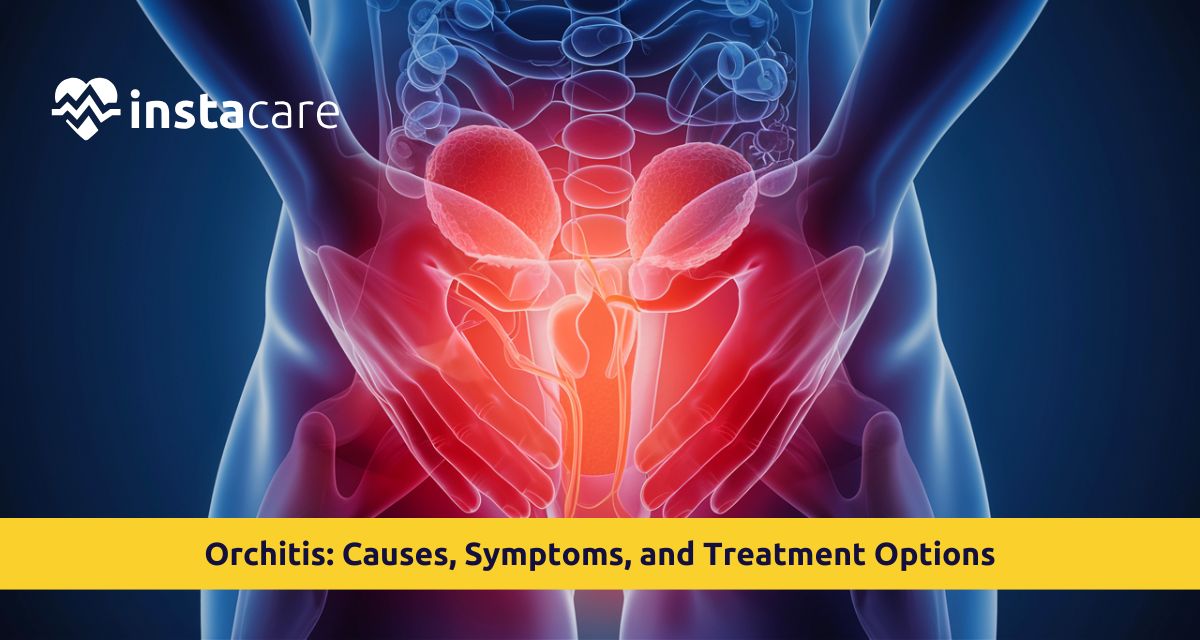
Orchitis is a health problem that involves the inflammation of testicles or both testicles. It could result in great discomfort, swelling and pain and in some instances it could impact the fertility unless adequately treated. Orchitis may happen at any age although more in sexually active men and individuals who have infections of specific type. Early diagnosis and proper treatment is an important factor towards long-term complications and full recovery.
What Is Orchitis?
Orchitis is the inflammation of the testicular tissue, which is usually caused by an infection. It can be either on its own or together with epididymitis which is a condition that affects the tube that stores and transports sperm. Coexistence when an epididymo-orchitis occurs. Depending on the cause, orchitis may also occur abruptly, in one or both testicles.
Causes Of Orchitis
Non-infectious factors may also contribute to orchitis, which is most commonly caused by infections. The main causes include:
- Bacterial orchitis, which is usually associated with an infection of the urine tract or sexually transmitted diseases like chlamydia or gonorrhea.
- Most commonly, the mumps virus causes viral orchitis.
- Infection transmission through the close structures such as prostate or epididymis.
- Disaster or damage to the testicles.
- Autoimmune or inflammatory reaction.
It is imperative to detect the cause in order to select the appropriate treatment solution.
Types Of Orchitis
Orchitis is usually categorized according to its cause:
- Bacterial orchitis: It is an infection that develops because of bacteria and is usually observed among adults.
- Viral orchitis: This is normally associated with mumps and is more prevalent amongst children and adolescents.
The two types are different in severity, mode of treatment and healed prospects.
Common Symptoms Of Orchitis
The symptoms of orchitis can be both mild and severe and may manifest themselves unexpectedly. Common signs include:
- Tenderness and swelling of testicles.
- Orchitis pain with possible radiations to the groin or lower abdomen.
- Fever and chills
- Scores 4 out of 20, redness or warmth of the scrotum.
- Nausea or fatigue
- A swollen testicle orchitis manifestation, which is frequently visible in one side.
Early treatment is recommended in case these symptoms occur.
Read More: Testicular Pain: Causes, Symptoms, Diagnosis & Treatment
Risk Factors For Orchitis
Some aspects can predispose individuals to orchitis and these are:
- Sexual history of infections.
- Unsafe sex.
- Prostate infections or urinary tract infections.
- Failure to acquire childhood mumps vaccination.
- Urological procedures in the recent past.
- Weakened immune system
Prevention and early detection of orchitis infertility risk are understood to aid in preventing and detecting them early.
How Orchitis Is Diagnosed?
Orchitis diagnosis is usually associated with a combination of physical examination and diagnostic tests. A medical professional can do:
- An elaborate history of medicine and sexual activity.
- Scrotal inspection and testicular inspection.
- Urine examination to identify infection.
- To detect inflammation or viral causes, blood tests are used.
- Ultrasound of the testes to exclude testicular torsion or abscess.
Proper diagnosis guarantees good treatment that is focused.
Treatment Options For Orchitis
Therapy is based on the cause of the condition:
- Bacterial infections are treated using antibiotics.
- Viral cases typically do not need the administration of antivirus drugs, although such patients need supportive care.
- Anti-inflammatory drugs and pain killers.
- Scrotal elevation and bed rest.
- Cold to discourage swelling.
At an early stage, treatment can save many of the risks of long-term injury and increase comfort.
Recovery And Aftercare
The time taken to recover is dependent on the cause and severity. Majority people start feeling better after a few days of treatment, although it may take weeks to heal. The orchitis recovery time usually takes two to six weeks. Recommendations on aftercare are:
- Taking all the necessary medication.
- Not doing strenuous work in recovery.
- Putting on underwear that is supportive.
- Follow-up appointments.
Following the instructions of aftercare helps in achieving complete recovery and minimizes risks of recurrence.
Possible Complications
Otherwise, orchitis may have severe consequences when untreated or not managed properly. Possible orchitis complications are:
- Shrinking of the testicle (testicular atrophy).
- Chronic testicular pain
- Abscess formation
- Reduced sperm production
- Risk of more orchitis infertility, particularly bilateral.
The risks are significantly reduced at an early stage.
Prevention Tips
Even though the cases cannot be prevented in all cases, some risk mitigation measures are possible:
- Keeping abreast with vaccinations, including mumps.
- Safe sex and the use of protection.
- Early treatment of urinary or prostate infections.
- Having good personal hygiene.
- Getting medical attention due to testicular pain or swelling.
The most important aspect of long-term reproductive health is preventive care.
Conclusion
Orchitis is a disorder that can be treated, and to prevent complications, it is necessary to diagnose this disorder in time and treat it correctly. Be it due to the bacterial or viral infection, medical intervention at an early stage results in improvement and quicker healing.
Through the identification of symptoms, knowledge of risk factors, and adherence to recommended treatment and the use of aftercare, the majority of those affected will be able to recuperate and lead a normal life with normal testicular functioning. Prevention and awareness are significant towards the protection of reproductive health.
Please book an appointment with the best Urologist in Lahore, Karachi, Islamabad, and all major cities of Pakistan through InstaCare, or call our helpline at 03171777509 to find a verified doctor for your disease.