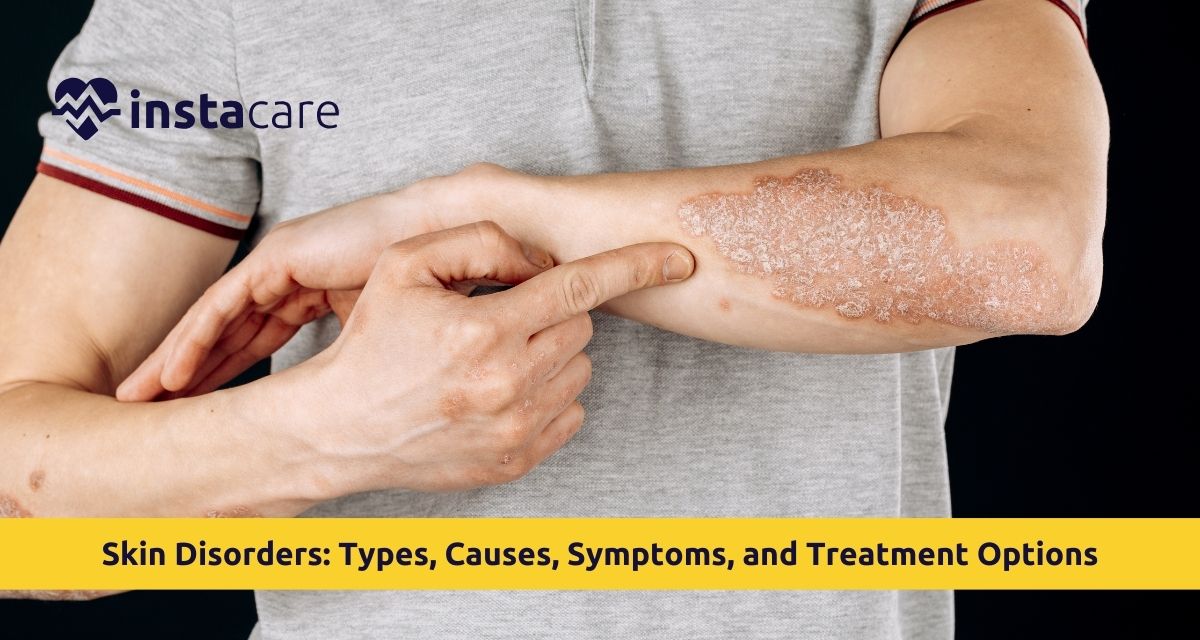
Skin disorders are conditions that affect the appearance, texture, or function of the skin. They may be mild and
temporary, chronic and lifelong. Certain skin conditions are painful, whereas
others can affect self-esteem and self-confidence. Knowledge of the types of skin disorders, their causes, symptoms, and available treatment options can support early diagnosis and effective management.
Skin diseases affect individuals regardless of age or skin type. Some of these are caused by genetic factors, others by infections, immune response or the environment.
What Are Skin Disorders?
Skin disorders are medical conditions that disrupt the normal structure or function of the skin. These skin diseases can result in redness, itching, swelling, rashes, pain or abnormal color and texture of the skin.
Skin ailments typically heal on their own, and chronic skin conditions can be cured through long-term medication and lifestyle changes. Clue identification is essential for preventing complications.
Types of Skin Disorders
It is easy to find a variety of types of skin disorders, and they can be further divided into categories depending on the cause or behavior.
Inflammatory Floridian Skin Diseases
Inflammatory skin disorders are caused by excessive reaction of the immune system and result into reddishness and itching. Common examples include:
- Eczema (atopic dermatitis)
- Psoriasis
- Contact dermatitis
- Rosacea
These are inflammatory skin conditions which are usually associated with itching, dryness and flare ups which occur intermittently.
Infectious Skin Disorders
Bacteria, viruses, fungi, or parasites cause infectious skin disorders. They may be transmitted on contact or contaminated surfaces. Examples include:
- Acne (bacterial involvement)
- Fungi such as ringworm.
- Warts and herpes are examples of viral infections.
- Helicobacter infections such as scabies.
Early treatment of skin disorders is important to prevent spread and complications.
Genetic Skin Disorder
Hereditary skin diseases are genetic and tend to manifest themselves at a tender age. Such conditions are not common but long-lasting. Examples include:
- Ichthyosis
- Albinism
- Epidermolysis bullosa
Such genetic skin disorders typically require specialized treatment and prolonged management.
Common Skin Disorders
Millions of people around the globe have some common skin disorders. These include:
- Acne
- Eczema
- Psoriasis
- Vitiligo
- Hives
- Melasma
These skin conditions, despite their prevalence, differ in the level of severity and response to treatment.
Causes of Skin Disorders
Skin disorders have different causes depending on the condition. More than once, it is a combination of several factors. Common causes of skin disorders include:
- Genetics: Family history increases risk.
- Problems with the immune system: Autoimmune responses.
- Infections: viruses, parasites, fungi, or bacteria.
- Surrounding: pollution, sun exposure, allergens.
- Alterations in Hormones: particularly during puberty or pregnancy.
- Lifestyle factors: Stress, inappropriate diet, smoking.
The cause is critical in selecting the appropriate treatment for the skin disorder.
Skin Disorder Symptoms
The symptoms of skin disorders may manifest in various ways, depending on the disorder and the type of skin. In some cases, symptoms are mild; in others, they may disrupt normal life. Common symptoms include:
- Redness or inflammation
- Itchiness or painfulness
- Dry, scaly, or cracked skin
- Blisters or pimples
- Changes in skin color
- Pain or tenderness
A healthcare expert should always examine persistent or progressively increasing symptoms.
Diagnosis of Skin Disorders
A physical examination is typically the initial step in diagnosing skin diseases. A doctor can also examine medical history and lifestyle. Methods of diagnosis may involve:
- Visual examination
- Skin biopsy
- Allergy testing
- Blood tests
- Microscopic examination
Proper diagnosis aids in the differentiation of similar-looking skin conditions and proper treatment.
Treatment of Skin Disorders
The treatment of skin disorders depends on the type, severity and cause of the condition. Other treatments are used to alleviate symptoms, whereas others are used to cure the cause. Typical management methods are:
Topical Agents: Ointments and Creams.
Oral Drugs: Antihistamines, antibiotics, or immunosuppressants.
Phototherapy: Light exposures.
Lifestyle Modification: Skincare and trigger avoidance.
Moisturizers and Emollients: This is particularly important in chronic skin disorders.
Early, aggressive treatment can be highly beneficial.
Chronic Skin Disorder Management
Chronic skin disorders take a long time to live with. Flare-ups can still occur, though they are managed, resulting in fewer and less severe flare-ups. Helpful strategies include:
- Sustaining a tender skincare practice.
- Avoiding known triggers
- Managing stress levels
- Taking of treatments as required.
- Follow-up appointment attendance.
Long-term control is associated with support by healthcare professionals and patient education.
Prevention and Skin Care Guidelines
Although the incidence of some skin diseases is not preventable, risk may be reduced through healthy habits. Precautionary measures involve:
- Using sunscreen daily
- Maintaining moisturized and clean skin.
- Avoiding harsh chemicals
- Practicing good hygiene
- Eating a balanced diet
Regular medical attention sustains the general health of the skin and prevents flare-ups.
When to See a Doctor
One is to seek medical advice in case:
- Symptoms persist or worsen
- The dermatological disease is painful or infected.
- Self-medication is unsuccessful.
- They include unexpected or unaccounted changes.
Early intervention helps prevent complications and enhances quality of life.
Conclusion
The variety of skin disorders can impact physical and emotional comfort. Knowledge of skin disorders, identification of their symptoms, and understanding of their causes will lead to prompt treatment and improved outcomes. Most skin disorders can be managed successfully with timely diagnosis, treatment, and regular care. Long-term skin health is based on healthy skin practices and professional advice.
Please book an appointment with the Best Dermatologist in Lahore, Karachi, Islamabad, and other major cities of Pakistan through InstaCare, or call our helpline at 03171777509 to find a verified doctor for your condition.