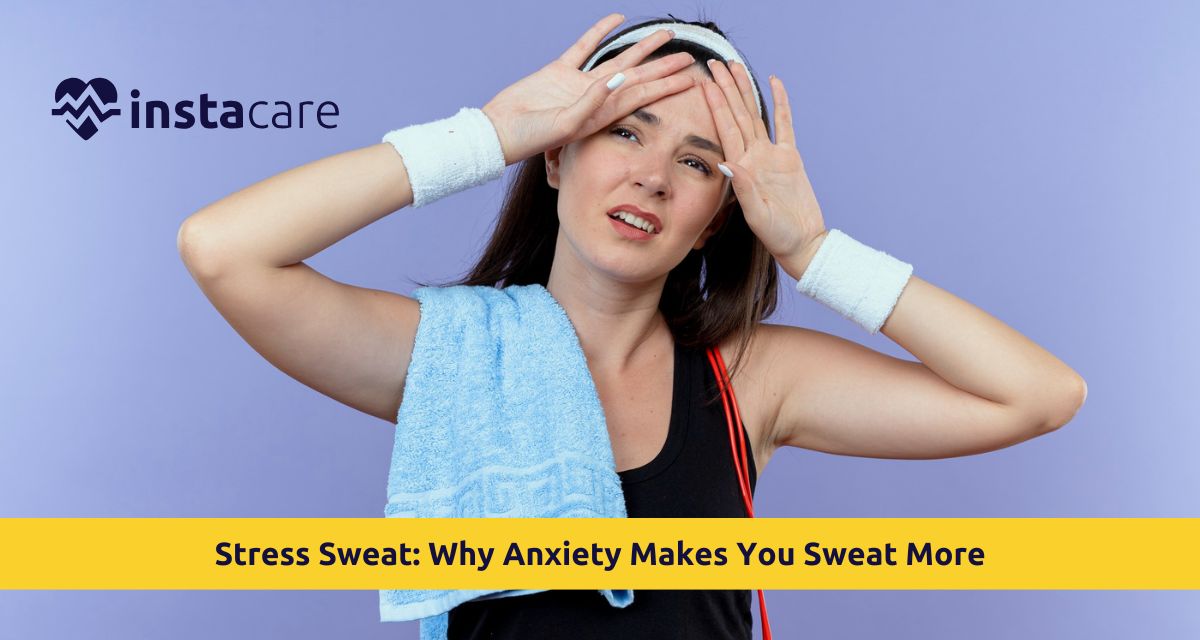
The Emotional sweating causes can be used to explain why I sweat when stressed. As compared to heat related sweating, the stress related sweating is related to emotional response in the body. To overcome stress sweating symptoms and get tips to manage stress sweat effectively, it is possible to recognize the symptoms of stress sweating and learn effective stress sweat management tips that allow reducing the level of discomfort and gaining self-confidence in everyday life.
What Is Stress Sweat?
Stress sweat is a form of sweat that is initiated when emotions or their psychological aspects are involved as opposed to the physical heat. It is found when the body responds to stress or anxiety or nervousness by sweating.
The nervous system controls this response and is commonly known as the fight or flight response of the body. Fear or anxiety or situations that are pressure packed are common nervous sweating causes.
Patients who have excessive sweating anxiety can report sweating in cool surroundings. This may come to pass to such parts of the body as the palms, underarms, face, and feet and leave the situations to be uncomfortable.
Stress Sweat vs Normal Sweat
Anxiety sweat vs normal sweat are distinctly different. Although they both relate to sweating, they are different in the reasons and nature of their causes.
Stress Sweat
- Caused by feelings and fear.
- Often occurs suddenly
- Usual in palms, armpits, and face.
- May sweat more of stress.
Normal Sweat
- Stimulated by heat or exercise.
- Helps cool the body
- Acquired uniformly throughout the body.
- Usually has a milder odor
These differences assist in explaining why do I sweat when stressed as well as why emotional triggers to the body do not work in the same manner as physical triggers.
Common Triggers of Stress Sweat
There are a number of emotional or psychological occurrences that result in stress sweat. Common triggers include:
- Public speaking/presentations.
- Social phobia or meeting new people.
- Job interviews or exams
- Fear, nervousness, or panic
- High-pressure situations
These provocation factors are connected to the causes of nervous sweating, when the body reacts to the stress which is not directly associated with any physical activity.
Symptoms of Stress Sweat
Stress sweat may have a number of symptoms that are noticeable. The symptoms of stress sweating can be identified to diagnose the condition at an early stage. Common symptoms include:
- Excessive mucus secretion without exercise.
- Sweaty palms anxiety
- Possession of excessive moisture in armpits or face.
- Cold or clammy skin
- Stronger stress sweat smell
- More sweat in stressful situations.
Such symptoms can be different in severity based on the individual and the amount of stress one is going through.
Read More: Night Sweats: Causes, Symptoms, and When to Worry
Health Conditions Linked to Stress Sweat
Stress sweating in certain instances can be related to the underlying health conditions.
Anxiety Disorders
Anxiety disorders are usually accompanied by excessive sweating anxiety in most people especially in stressful situations.
Hyperhidrosis
This condition is characterized by excessive sweating in excess of what is normal and it may be made worse by stress.
Hormonal Imbalances
The variation of hormones can make people hypersensitive to stress, which causes a greater number of sweating intervals. The realization of these conditions will assist in informing appropriate treatment in case of sweating due to stress when it is required.
How to Manage Stress Sweat?
Stress sweat management can be treated through lifestyle adjustments and practical management. Most of the stress sweat management tricks are aimed at preventing anxiety and sweating.
Practice Stress Management
The causes of emotional sweating can be minimized using relaxation methods including deep breathing, meditation or yoga.
Use Antiperspirants
Antiperspirants that are clinical strengths can be used to manage excessive sweating, particularly underarms.
Wear Breathable Clothing
Lightweight and loose materials are used to ease the pain and enable skin breathing.
Maintain Good Hygiene
Frequent washing will minimize the smell and control the smell of stress sweat.
Remain Unstressed in a Stressful Situation
To avoid sweaty palms, one may prepare in advance about stressful events and practice confidence.
The techniques can assist in How to stop stress sweating and enhance the comfort of daily living.
When to See a Doctor?
Though the stress sweat is not harmful in most instances, medical consultation might be necessary in some instances. You must see the doctor in case of:
- The perspiration is profuse and irrepressible.
- It interferes with the everyday life.
- Even in the absence of stress triggers.
- Companied by other complainants like loss of weight or fatigue.
A medical worker will be able to prescribe relevant Stress-induced sweating treatment or assess the existence of other conditions.
Conclusion
Stress sweat is a natural reaction to emotional stimuli like anxiety, fear or nervousness. Contrary to ordinary sweating, it is associated with emotional causes of sweating and tends to occur abruptly in exact parts of the body such as the palms, underarms.
Learning the difference between anxiety sweat and normal sweat, being able to identify the symptoms of stress sweating, and being well-aware of the tips to manage stress sweating can assist in lessening the unpleasant experience. Through appropriate lifestyle modification and in case of necessity, medical assistance, one can deal with sweat and feel secure about most of the daily aspects.
Please book an appointment with the best Dermatologist in Lahore, Karachi, Islamabad, and all major cities of Pakistan through InstaCare, or call our helpline at 03171777509 to find a verified doctor for your disease.