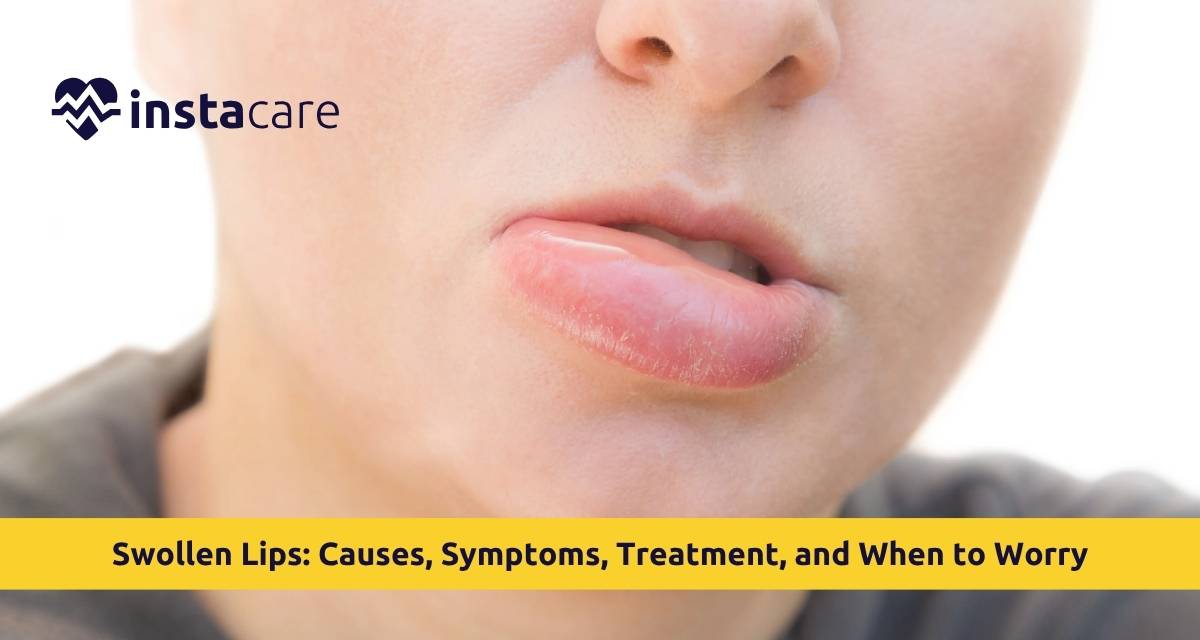
What Are Swollen Lips?
The term swollen lips describes the condition in which the tissues in the upper or lower lip, or both, become inflated and swollen. This condition can appear in an instant, or develop over a long period of time. The swelling can affect one lip, both lips, or the entire mouth. The swelling can be painless and come with other ailments such as itching, burning, redness, tenderness, cracking and blisters.
Angioedema is swelling in the skin and is a common medical condition that causes sudden swelling of the lips. Angioedema can also cause swelling of the face, the eyelids, the tongue and throat, and the hands and feet. This condition can happen in combination with hives.
Common Causes of Swollen Lips
Allergic Reactions
One of the main causes for an instance of sudden lip swelling is an allergic reaction. Sudden lip swelling can be caused by people reacting to food, medicine, various cosmetics, lip care products, or other environmental factors. For this type of allergic swelling, the affected lips can feel itchy, tight, and warm. This condition can also cause hives, rashes, sneezing, itchy and watery eyes, and tighten the throat.
Anaphylaxis is the most dangerous type of allergic reaction, and it usually only takes a few minutes to develop. It can be life-threatening when it impacts your airway. Angioedema is a rapid form of swelling that usually occurs in your lips, mouth and throat. It is a medical emergency when accompanied by difficulty breathing, along with confusion and blue lips.
Angioedema
Angioedema is a form of swelling that occurs deeper beyond the surface of the skin. It usually impacts the lips and the facial region and can also involve the throat and airway. It can be triggered by allergies, some infections, certain medications and stress, or can also be related to an inherited disease. In some cases the cause can be unknown. It is advisable to seek emergency medical care if swelling occurs in the lips, face, tongue, or throat with associated symptoms of vagueness, sudden weakness, vomiting, and diarrhea.
Contact Dermatitis
As the name suggests, contact dermatitis can be the result of skin contact with an external irritant and in relation to the lips, it can be cosmetics, lip balms, mouthwash, toothpaste, above dental care products, topical medications and can also be caused or triggered by certain foods. Contact dermatitis can be characterized by swollen, dry, red, itchy, or cracked and irritated lips and can develop within a few hours or a few days after contact.
Injury or Trauma
Trauma can also be caused easily by contact with the skin from burns, cuts and other injuries from a sporting event, dental work, an impact injury, and can also be caused by an accidental injury. The swelling associated with trauma is usually caused by the injury when pain, bleeding, and bruising occurs. Small injuries usually heal easily with the use of cold compress. Deep lacerations, uncontrolled bleeding, and swelling, along with severe pain from a traumatic injury should be evaluated by a medical professional.
Infection
Infections can cause lip swelling too. Cold sores, infections of cuts, dental infections, and other bacterial infections can cause swelling and pain. Swelling can cause pus, blisters, fever, and swollen glands. If the swelling continues to worsen and causes pain, is spreading, or is accompanied by fever, medical assistance is necessary because the cause may determine that the infection can only be treated with antiviral or antibiotic medication.
Book Hemoglobin Test from One Health Labs & Get 20% OFF
Dryness, Sunburn, or Irritations
The skin barrier on the lips can easily become damaged and cause swelling and cracking of the lips. Sunburn or dehydration can irritate the lips. Swelling the lips is a mild irritation, and it can cause burning of lips and peeling and tightness.
Symptoms That May Come with Swollen Lips
Swollen lips can be accompanied by a rash. Other symptoms include:
Burning, itching, and tenderness, hives, numbness, pain, warmth, pus, fever, throat tightness, and difficulty with swallowing and breathing.
These symptoms can indicate the cause of swollen lips. If there's a rash with swelling and itching then swelling is likely from an allergic reaction. If there are blisters, then it is likely a form of cold sores. If there is pain, pus, and fever, then it likely a type of infection. If swelling occurs that is accompanied by difficulty breathing, then this is an emergency.
Home Care for Lips with Mild Swelling
- Simple care may help mild swelling if there is no trouble with breathing or the throat and no severe symptoms. Mild swelling may be treated with cold therapy.
- Use a cold compress for 10 to 15 minutes. If lips are triggered by new lip products, toothpaste, or new lip foods, avoid them and replace them with an unscented plain lip balm.
- Drink plenty of water to keep lips from cracking and avoid hot, spicy, salt, and acid foods.
- Lips should not be picked or scratched at. For some people, over-the-counter antihistamines may help, but you should always check the label, and if in doubt, consult your pharmacist or doctor.
- Severe cases of hives and angioedema may need treatment, along with an emergency epinephrine injection.
When to Get Emergency Treatment?
You should seek emergency treatment if swollen lips are accompanied by wheezing, difficulty breathing or swallowing, dizziness, fainting, severe vomiting, swelling of the throat, or an emergency case of diarrhea. Swelling of the lips, mouth, throat, or tongue, along with difficulty in swallowing or breathing, always requires immediate treatment, according to the NHS.
You should consult a doctor for swollen lips without a known cause that last more than a few days and affect eating and talking and that are also painful, have fever, or contain pus. Swelling that occurs more than once a week may also require a medication evaluation, allergy testing, or an assessment for possible angioedema or other underlying conditions.
Conclusion
Causes of swollen lips are dry conditions, irritation, injury, or exposure to allergic substances. Most mild lip swelling fades with the application of cold compresses or avoidance of the triggers along with caring for the lips. It is important to never ignore lip swelling on its own or lip swelling which is accompanied by swelling of the tongue, throat, or even affecting the airway and swallowing. This is because swollen lips may also indicate angioedema or may be the start of an anaphylactic episode responsible for lip swelling. By being aware of the symptoms, you are able to respond appropriately and in a timely manner.
Please book an appointment with the best Dermatologist in Lahore, Karachi, Islamabad, and all major cities of Pakistan through InstaCare, or call our helpline at 03171777509 to find a verified doctor for your disease.