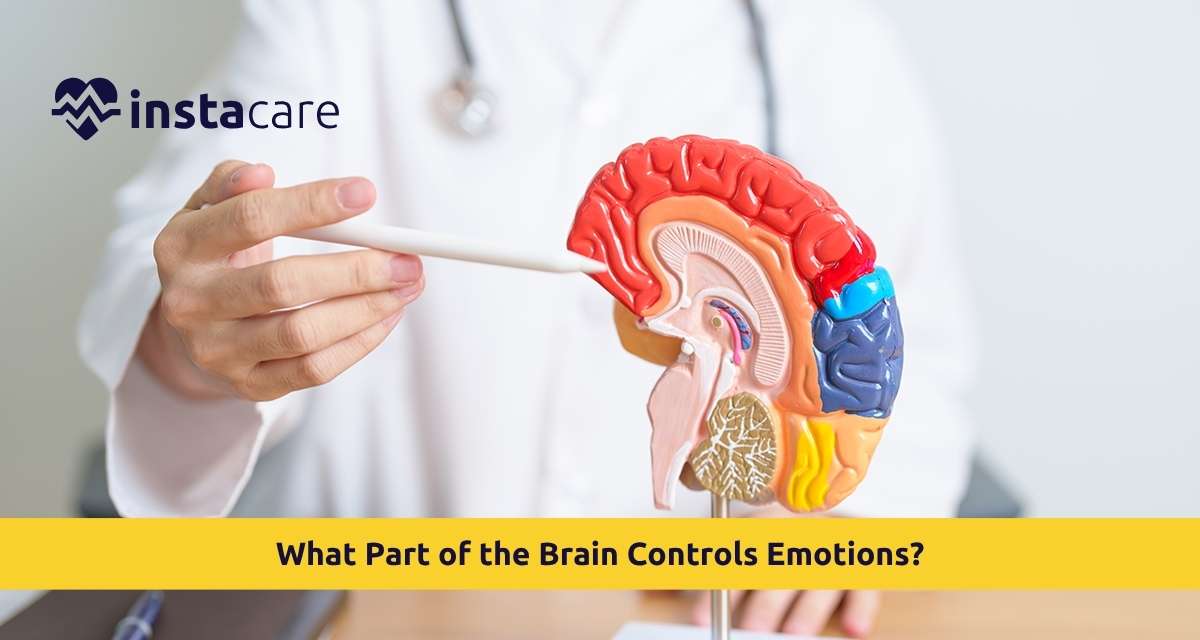
Overview of Emotional Brain
This is the Limbic system function, which is the main system that is involved in emotions. It is a complicated system of structures located in the depths of the brain and it is a key element of emotional processing, memory, and motivation. The amygdala, hippocampus, hypothalamus and the sections of the prefrontal cortex are the important parts of the limbic system. All of these structures make a unique contribution to how we generate and manage emotions.
The Amygdala: The Brain’s Fear and Emotion Center
The amygdala is one of the most significant structures in emotional processing. This is a tiny, almond-shaped bunch of nuclei, which is deep in the temporal lobes. Amygdala plays the main role in the detection of threats and emotional reaction primarily fear and aggression. When you face a threatening or stressful circumstance, the amygdala processes the information rather quickly and triggers the body with the fight-or-flight response.
This will be possible even prior to your awareness of the danger. As an example, when suddenly some loud sound hits your ears your amygdala immediately responds, which makes your heartbeat faster, and your muscles contract. The amygdala role in emotions involves in the processing of other emotions besides fear like anger and pleasure. It also aids in giving emotional meaning to memories; hence things that have an emotional feel to them are usually easier to remember.
The Hippocampus: Linking Emotion and Memory
The amygdala collaborates with the hippocampus which plays a vital role in creating and retrieving memories. It assists in the contextualization of emotional experiences by connecting it to the previous experiences. An example is when you had a bad experience in a specific location, the hippocampus recalls the situation related to the context and the amygdala is what stimulates the feeling attached to that context.
This experience interaction forms a key part of experience learning. Nevertheless, it may also be a cause of emotional disorders (including anxiety or post-traumatic stress disorder (PTSD)) in which negative memories are closely associated with emotions.
The Hypothalamus: Regulating Emotional Responses
Hypothalamus is instrumental in converting the emotional feelings to bodily reactions. It relates the nervous system to the endocrine system which regulates hormone release. As you experience an emotion, the hypothalamus assists in causing physical responses, such as raising heart rate, perspiration or secretion of stress hormones like cortisol.
As an illustration, when one is facing a stressful situation the hypothalamus triggers the autonomic nervous system preparing your body to react to it. This linkage of emotions and physical response elucidates the effect of emotions on the body and the focus on how involuntary the emotion could be so overwhelming.
Book Your CT Scan Brain from Test Zone Diagnostic & Get 20% OFF
The Prefrontal Cortex: Controlling and Regulating Emotions
The limbic system forms the emotions, but their control and regulation is carried out by the prefrontal cortex. This is the part at the front of the brain that is related to decision-making, reasoning and self-control. The prefrontal cortex enables you to think before you do. It enables you to assess emotional reactions and determine whether they are correct or incorrect.
As an example, when having a disagreement of some kind you may get angry but with the help of the prefrontal part of the brain you are able to remain calm and act in a rational manner instead of acting on impulse. This equilibrium between the limbic emotional system and prefrontal rational is what determines emotional intelligence. The loss of this balance can be an impulsive behavior or inability to regulate emotions.
The Insula: Understanding Internal Feelings
One more significant brain area of emotions is the insula. This space helps you to notice your inner body conditions like heartbeat, hunger or pain. It plays a key role in emotional awareness and empathy.
The insula enables you to have a physical experience of emotions. To illustrate, the insula has been associated with a sensation of a racing heart or tight-chest when you feel anxious. It also enables you to learn how other people feel and thus is significant in social relatedness and involvement.
How Do These Brain Regions Work Together?
A single structure has no role in the production of emotions but the interaction between various brain regions does. As an illustration, whenever you face a stressful circumstance:
- Amygdala notices the danger and reacts emotionally.
- It is the physical response of the body that is propelled by the hypothalamus.
- Hippocampus has the contextual background of previous experiences.
- The prefrontal cortex analyses the situation and controls what you are doing.
This synchronized action enables you to react accordingly to various scenarios. Nonetheless, the imbalance in emotions can be caused when one of the aspects of the system is over- or under-active.
Emotional Regulation and Mental Health
Getting to learn how the brain manages emotions is imperative to mental health. The limbic system and prefrontal cerebral connections tend to become disturbed in cases of conditions like anxiety, depression, and mood disorders. In illustration, an over stimulated amygdala can cause too much fear or anxiety, and a deactivated prefrontal cortex can make it more difficult to control such emotions.
Likewise, the interaction between the amygdala and hippocampus may be enhanced by traumatic experiences, which results in the continuing emotional reactions. Luckily, there is flexibility in the brain. Mindfulness, therapy, and stress management methods are some of the practices that can strengthen the prefrontal cortex and enhance emotional regulation with time.
Conclusion
Instead of having one part of the brain that acts as an emotion centre, a complex web of brain parts talks about emotions. The limbic system, with the amygdala, hippocampus and hypothalamus, is core to the creation of emotions, and their regulation is achieved through the prefrontal cortex. These structures collectively enable us to perceive, interpret and process our emotions in meaningful ways.
With the knowledge about emotion controllers in the brain, we can employ more effective techniques in regulating our emotions and developing good mental wellbeing as well as our overall living standards.
Please book an appointment with the best General Physician in Lahore, Karachi, Islamabad, and all major cities of Pakistan through InstaCare, or call our helpline at 03171777509 to find a verified doctor for your disease.